The Influence of Digital Puzzles on Long-Term Memory in Youth
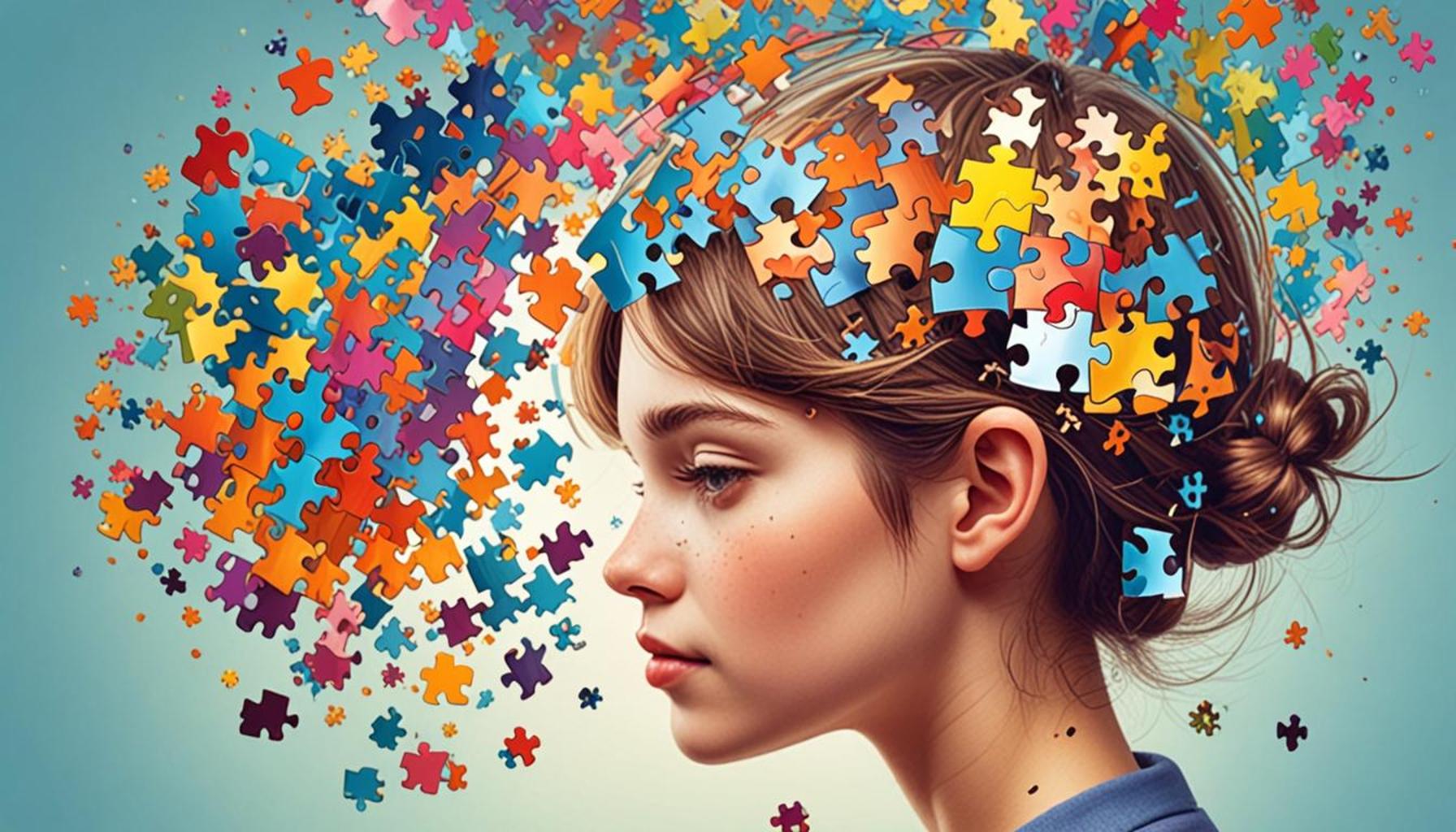
Understanding the Impact of Digital Puzzles on Youth Memory
In an era where technology reigns supreme, digital puzzles have carved out a unique niche as an interactive tool that not only entertains but also has the potential to significantly enhance cognitive abilities in young people. As screens become more ubiquitous in Nigeria, with smartphone penetration rapidly increasing, the relevance of digital puzzles rises, prompting parents and educators to seek effective ways to incorporate them into learning strategies.
Research consistently demonstrates that engaging in puzzles activates a variety of brain functions. Here are a few key benefits that highlight their impact:
- Memory Enhancement: Solving puzzles requires the brain to recall information and recognize patterns, which helps to forge stronger memory connections. For instance, a young person playing a jigsaw puzzle app must remember where pieces fit, enhancing both short-term and long-term memory retention.
- Cognitive Development: These games often present challenges that encourage critical thinking and strategic problem-solving. A game that involves navigating through mazes or arranging complex shapes fosters analytical skills as the player must evaluate options and make decisions swiftly.
- Focus and Concentration: Working on digital puzzles also trains individuals to concentrate for extended periods. The immersive nature of these activities can significantly improve attention spans, an essential skill in an age filled with distractions from social media and constant notifications.
Furthermore, platforms like “Brain Games” and “Jigsaw Puzzle Apps” are becoming staples among Nigerian youth, combining fun with learning. For instance, educational apps designed for vocabulary-building often use puzzles to reinforce language skills, making them a valuable resource for students striving to master English—a global lingua franca.
The appeal of digital puzzles lies not only in their entertainment value but also in their educational potential. They can serve as effective brain training tools. For example, a student preparing for examinations can utilize puzzle games to improve retention of study material by rearranging phrases or concepts in a puzzle format, visually encoding the information more profoundly.
This discussion brings us to the importance of understanding how digital puzzles can be maximized in educational contexts. As parents and educators become more aware of the numerous benefits these activities offer, they can better support the cognitive growth of the youth. Digital puzzles encourage exploration and learning, offering a pathway to not only enhance memory retention but also foster a love for learning. Whether through mobile apps or interactive games, embracing this technological trend could pave the way for a generation of critical thinkers and problem solvers in Nigeria.
LEARN MORE: This related article may interest you
Unlocking Memory Potential Through Digital Puzzles
As digital engagement takes center stage in the lives of today’s youth, understanding how tools like digital puzzles can enhance long-term memory becomes increasingly crucial. Various studies indicate that the act of solving puzzles fundamentally shapes how we process and retain information. For Nigerian youth, this can translate into improved academic performance and better cognitive skills, making digital puzzles a powerful ally in their educational journey.
Puzzles challenge users to decipher clues and piece together fragments of information, which directly correlates with memory processes. Here are several notable benefits emphasizing the link between digital puzzles and memory improvement:
- Retention of Information: Engaging with puzzles stimulates regions in the brain associated with memory and recall. This is particularly evident when youth work on word puzzles, which require not just recognition of letters but the application of vocabulary knowledge, thereby strengthening their language skills over time.
- Visual Learning: Many digital puzzles employ vibrant graphics and interactivity, which are advantageous for visual learners. According to educational psychology, visual stimuli significantly enhance the retention of new information, making it easier for students to remember complex subjects through interactive digital formats.
- Stress Reduction: Surprisingly, engaging in puzzles can serve as a form of stress relief. When reduced stress levels are combined with the act of critical reasoning required in puzzles, it creates an optimal environment for learning. This suggests that digital puzzles not only support cognitive development but also foster emotional well-being, allowing youth to approach learning with a clearer and more focused mindset.
Platforms that offer a range of puzzles—from Sudoku to crosswords—are becoming integrated into many Nigerian schools and homes. For example, students can utilize apps like “Wordament” or “Puzzle Games for Kids,” which not only provide entertainment but also cultivate both memory and analytical skills. The gamification of learning makes educational content more engaging, allowing youth to immerse themselves deeply in the material they are absorbing.
Moreover, the interactive aspect of digital puzzles can stimulate collaborative learning scenarios. For instance, students working together on a puzzle can enhance their collective memory as they discuss and strategize, strengthening their understanding of the subject matter. This collaboration can push students to challenge each other’s thought processes and expand their memory through peer interaction.
The implications of these findings extend far beyond mere entertainment. Optimizing digital puzzles as learning tools can lead to significant educational advancements. It becomes essential for educators and parents alike to recognize the potential of digital puzzles in improving long-term memory retention in youth. By incorporating these innovative tools into study routines, not only can cognitive skills be reinforced but a passion for learning can also be ignited, shaping more effective and engaged learners in Nigeria’s digital age.
| Cognitive Benefits | Impact on Memory |
|---|---|
| Enhanced Problem-Solving Skills | Digital puzzles require strategic planning and critical thinking, which boost analytical abilities. |
| Improved Focus and Concentration | Engaging in digital puzzles trains youth to sustain attention, leading to better long-term retention of information. |
The use of digital puzzles in youth can significantly contribute to cognitive development and enhance various skills that are crucial for academic success and practical life. Researchers indicate that engaging with these stimulating activities not only makes learning enjoyable but also fosters a more profound understanding of problem-solving methodologies. As youth interact with digital puzzles, they not only entertain themselves but also inadvertently sharpen their memory retention capabilities; a crucial component as they advance in their educational journey.Additionally, these puzzles can help improve neuroplasticity, allowing young minds to adapt quicker and absorb information more effectively. The incorporation of these activities creates an enriching environment where youthful minds can thrive academically. Investing time in digital puzzles is not merely an escape; it’s a step toward enhanced cognitive and memory functions. The potential for lifelong benefits is vast, urging parents, educators, and youth alike to explore this fascinating intersection of fun and learning.
LEARN MORE: This related article may interest you
The Cognitive Benefits of Digital Puzzle-Making
Beyond solving puzzles, the act of creating is another facet that has not gone unnoticed in the realm of cognitive development. Digital puzzle-making applications, which allow youth to design customized puzzles, have emerged as instrumental tools in enhancing long-term memory retention. This unique engagement forms a deeper, more personal connection to the material, reinforcing learning and memory at a more profound level.
Psychologists assert that the process of making puzzles requires a complex interplay of skills including spatial reasoning, planning, and critical thinking. For instance, tools like “Jigsaw Puzzle Maker” empower students to assemble and compile their images into playable formats. By engaging in this creative endeavor, they not only unlock their artistic potential but also reinforce their existing knowledge base—transforming abstract concepts into tangible puzzles that they and their peers can interact with.
Active Learning Approach: This creative aspect of digital puzzles encourages an active learning environment. By taking the initiative to build puzzles, young users engage in a process that not only demands memory use but also stimulates retention and recall. Research published in educational journals highlights that active participation leads to greater knowledge retention as learners create connections between newly acquired information and their existing memory frameworks.
Building Social Skills: Furthermore, digital puzzles can foster essential social skills. youth often collaborate to create and solve puzzles. This teamwork provides ample opportunities for social interactions, where they share ideas and strategies. These exchanges contribute to collective memory, enriching their cognitive experience. An example can be drawn from after-school programs across Nigeria, where students gather to brainstorm and create puzzles based on their local history or culture, thereby keeping their heritage alive and promoting a sense of community.
As digital literacy continues to grow among Nigerian youth, platforms designed for creating and sharing puzzles not only serve as entertainment but also as tools for significant educational benefits. Apps like “Crossword Labs” allow students to input targeted vocabulary and generate custom crosswords integrated with their curriculum, empowering them to reinforce their learning in a manner that is fun and engaging.
Encouraging Diverse Learning Styles: Digital puzzles cater to various learning styles—whether kinesthetic, auditory, or visual. This adaptability enhances learning by providing diverse pathways for information processing. Nigerian students, often coming from various educational backgrounds, can benefit from this flexibility. Schools that incorporate these types of tools into classrooms are likely to see improvements in overall academic performance, as the puzzles created and solved provide context and relevance to the materials being learned.
Furthermore, as youth encounter different types of puzzles, they develop a variety of problem-solving strategies. This broadens their cognitive toolkit, enabling them to transfer their skills to new and varied situations. The multi-dimensionality of puzzle engagement promotes critical thinking, a skill that extends beyond academics into everyday life challenges.
Ultimately, the fusion of creativity, collaboration, and cognitive engagement through digital puzzles stands to revolutionize how youth learn. As the educational landscape evolves, recognizing and harnessing the potential of such innovative resources will be key in molding a generation that not only retains knowledge but also applies it effectively in real-world scenarios, ensuring a future of capable and confident learners.
YOU MAY ALSO LIKE: Read read another article
Conclusion
The exploration of digital puzzles and their influence on long-term memory in youth reveals compelling insights into their cognitive benefits, fostering an engaging and multifaceted learning experience. As revealed through various dimensions such as active learning, creative expression, and social collaboration, digital puzzles serve not merely as entertainment but as pivotal educational tools that contribute significantly to the cognitive development of young minds.
In an era where technology shapes the landscape of education, the ability of digital puzzles to cater to diverse learning styles—from visual to kinesthetic—is crucial. They empower youth to connect new concepts with prior knowledge, enhancing retention while offering fun avenues for engagement. Analyzing examples from Nigerian educational contexts, where digital platforms allow students to integrate cultural themes into puzzles, it is clear that these cognitive activities can strengthen both personal and communal identities.
Moreover, the collaborative nature of puzzle creation inspires teamwork and social interaction among peers, enriching their collective memory. The skills harnessed through these interactions, whether in critical thinking or problem-solving, transcends academic achievement, fostering life skills that are essential in the modern world.
As educators and parents become increasingly aware of these benefits, integrating digital puzzles into learning curriculums in Nigeria and beyond will undoubtedly play a pivotal role in developing resilient, informed, and capable future generations. Thus, embracing the potential of digital puzzles can pave the way toward a more interactive and effective educational framework that not only promotes knowledge retention but also cultivates a passion for lifelong learning.