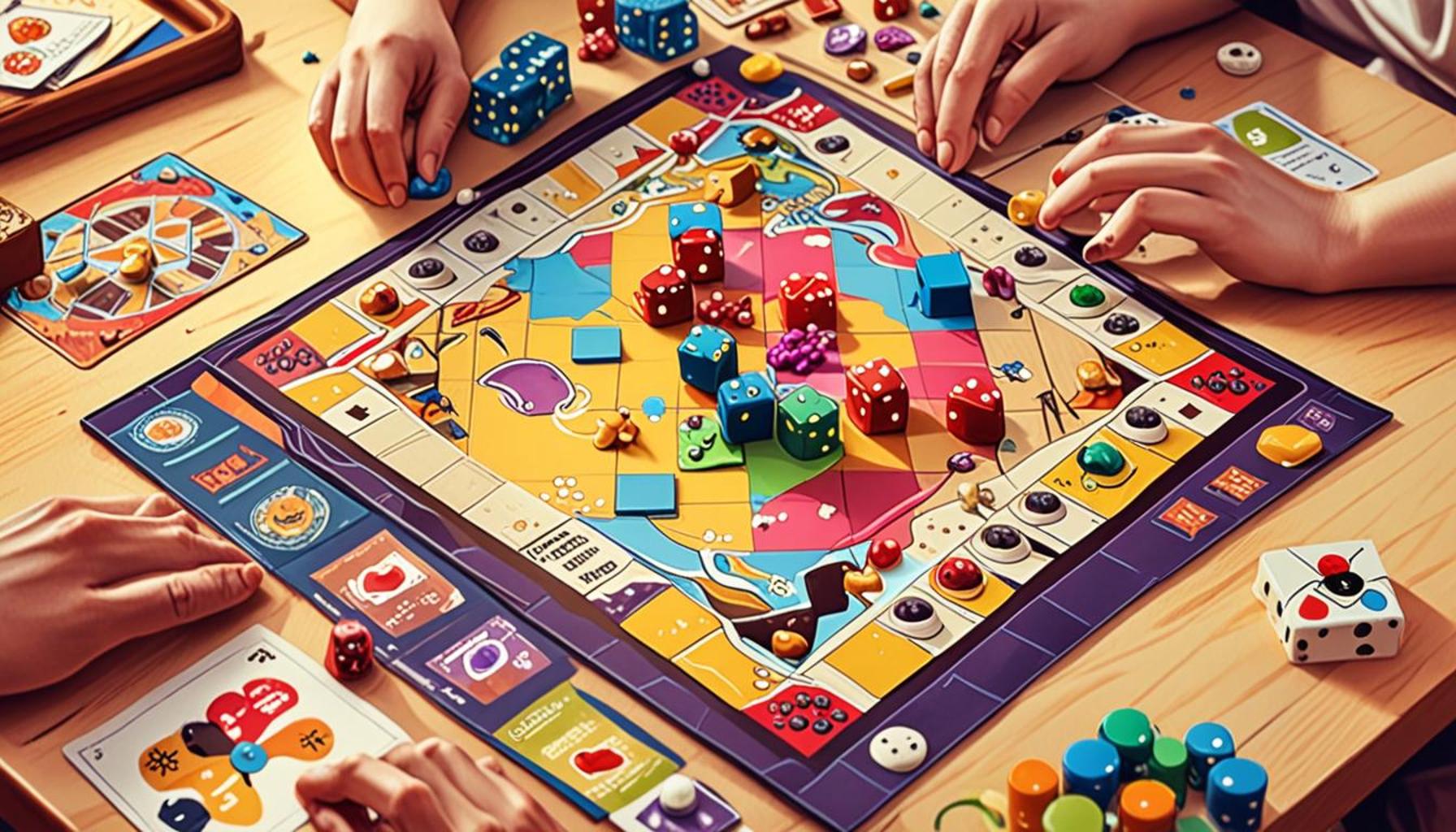
Board Games for Seniors Boosting Cognitive Skills and Brain Health
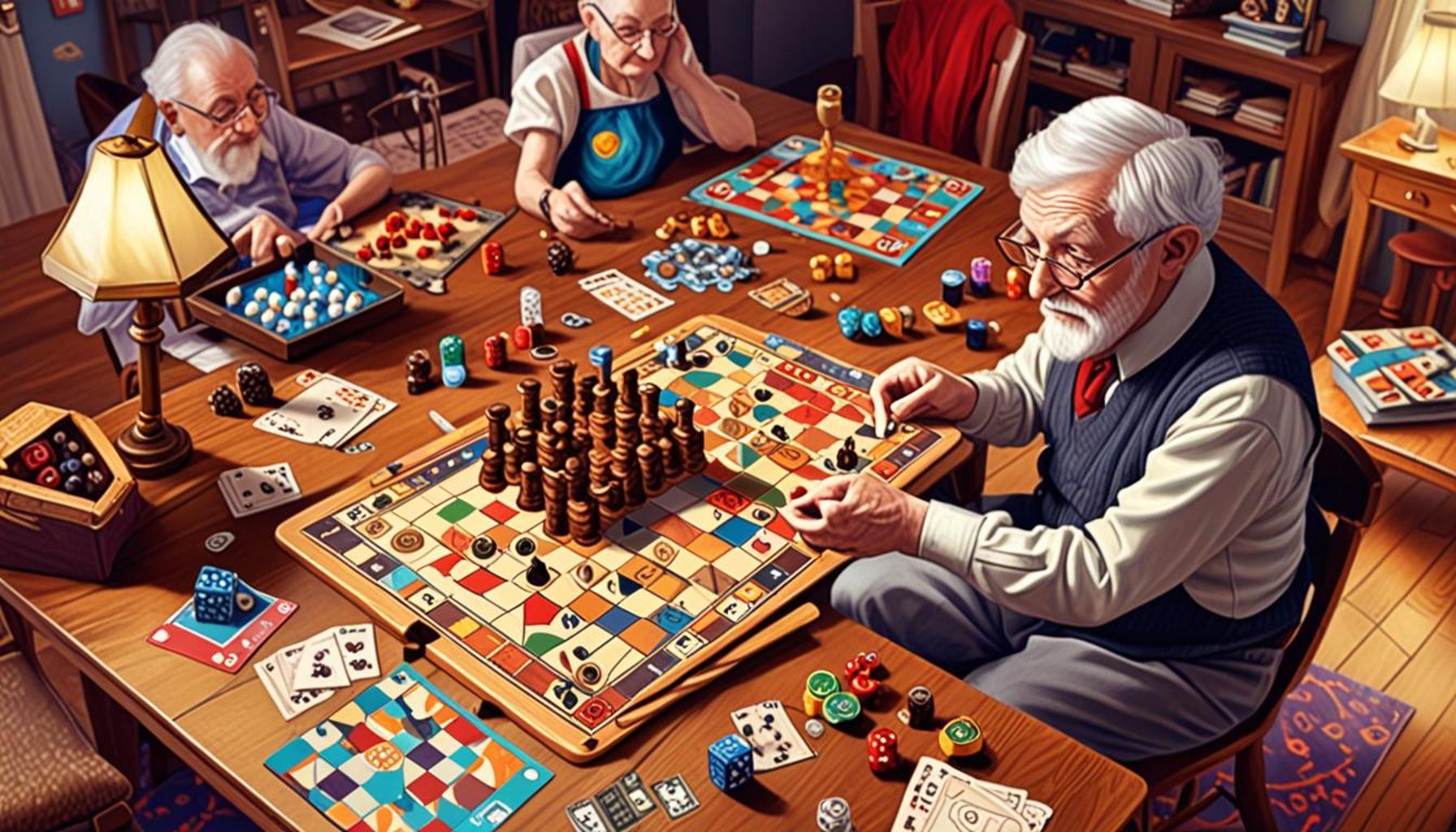
Introduction
As people age, maintaining cognitive health becomes increasingly important. Engaging in mind games and puzzles, particularly through board games, offers an innovative and enjoyable way to stimulate the brain. These activities not only provide entertainment but also promote critical thinking, memory enhancement, and social interaction among seniors.
With a plethora of options available, selecting the right board games can be overwhelming. However, it’s essential to understand how these games can challenge the mind, improve cognitive function, and foster connections with others. Here’s a quick overview of the benefits:
- Enhances problem-solving skills through strategic gameplay.
- Improves memory retention by recalling rules and strategies.
- Fosters social interaction and reduces feelings of isolation.
In this article, we will explore the Top 5 board games that effectively boost cognitive skills and promote brain health for seniors. Whether for fun or therapy, these games offer an engaging way to keep the mind sharp and active.
SEE ALSO: Click here to read another article
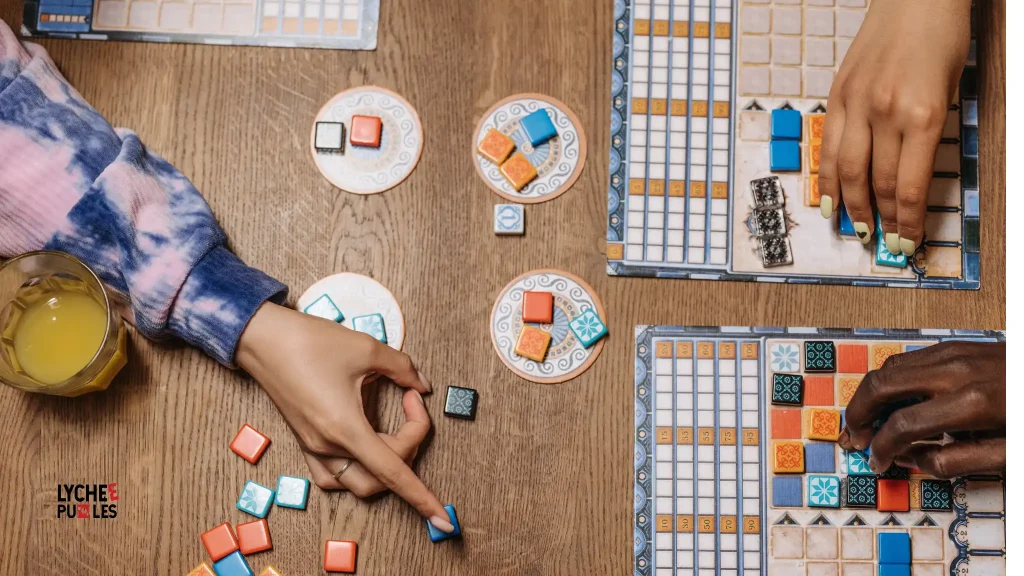
Top 5 Cognitive Challenges in Board Games: Stimulating the Mind in Old Age
In the golden years of life, keeping the mind vigorous is not merely a goal—it is a necessity. Engaging in activities that stimulate cognitive faculties can help maintain mental agility, delay cognitive decline, and even contribute to psychological well-being. One of the most delightful methods to achieve this is through board games. These games are not just about rolling dice or moving pieces; they are intellectual workouts, social connectors, and tools for strategic thinking. This article dives into the top five board games that pose fascinating cognitive challenges, ideal for stirring mental activity in seniors. These games offer more than entertainment—they foster strategic planning, problem-solving, and provide ample opportunities for socializing. Let us explore these captivating pastimes that promise both fun and mental engagement!
5. Scrabble
Since its inception in 1938, Scrabble has woven itself into the fabric of intellectual entertainment. Playing Scrabble involves forming words on a grid-like board with lettered tiles, each bearing a point value. The essence of strategy in Scrabble lies not just in knowing complex words but in placing them to maximize scores, especially on premium squares.
For seniors, Scrabble is more than a word game; it’s a powerful tool for maintaining mental acuity. Regular play can bolster vocabulary growth and enhance spelling skills, valuable cognitive exercises in aging. Moreover, the need to generate words rapidly nurtures mental agility, sharpening and quickening thought processes. The interactive nature of the game ensures conversations bloom, laughter is shared, and community is built, making Scrabble both mentally stimulating and socially enriching.
4. Chess
If one were to define the pinnacle of strategic board games, Chess would undoubtedly top the list. This game, with roots tracing back over a millennium, challenges players to tame their mind into a battlefield where foresight and strategic execution are paramount.
Chess demands a deep well of concentration and patience, qualities that are essential and beneficial for cognitive enhancement in seniors. The game is a splendid exercise for both hemispheres of the brain: the analytical side plans, calculates, and strategizes, while the creative side visualizes potential outcomes. This duality keeps the brain engaged and resilient. Additionally, the game’s complexity ensures an ever-evolving learning curve, compelling players to continuously refine their strategies, which in turn sharpens problem-solving skills. Chess becomes a mesmerizing blend of art and science, consistently rewarding those who invest time and thought into its labyrinthine challenges.
3. Rummikub
A cocktail of numerical strategy and spatial reasoning, Rummikub brings together elements reminiscent of both card games and dominoes. The aim is to form sets and runs of numbers using tiles, with each player adapting to shifting opportunities on the board.
Rummikub is an ideal exercise in problem-solving and cognitive flexibility. For seniors, it enhances numeracy and the ability to recognize patterns, critical skills for maintaining cognitive sharpness and mental flexibility. Furthermore, the game’s inherent unpredictability keeps the mind alert—a key factor in cognitive health. The game is also a social affair, making each session a lively gathering that enriches relationships and community bonds.
2. Ticket to Ride
Bringing the thrill of travel to the gaming table, Ticket to Ride is an engaging board game that offers players a journey across vibrant landscapes as they build train routes across North America or Europe. The game’s blend of strategy and spontaneity presents a cognitive delight for senior players.
This game challenges players to make strategic decisions, engage in long-term planning, and recall routes and cards, all of which stimulate cognitive functions and memory retention. The vivid graphics and dynamic gameplay add an aesthetic pleasure, making it an engrossing and visually appealing experience. It presents an opportunity to engage with family and friends, reinforcing social bonds and creating cherished memories.
1. Dominion
Reigning supreme in this list is Dominion, a game that distills the core of strategic gaming into a deck-building challenge. Players craft their strategy by constructing a deck from shared cards, each choice carving a path towards victory.
Dominion is truly a cerebral feast. It demands resource management, critical thinking, and meticulous planning. The broad variety of cards ensures no two games are alike, which persistently renews the cognitive demands placed on players, keeping their minds agile and engaged. Beyond its strategic demands, Dominion encourages interaction and negotiation among players, promoting social skills and reinforcing community ties.
Each of these top five board games—Scrabble, Chess, Rummikub, Ticket to Ride, and Dominion—offers a rich tapestry of challenges and benefits. They provide not just pathways for entertainment but serve as significant contributors to cognitive health, social interaction, and interpersonal relationships. By embracing these games, seniors can ensure their minds remain active and vibrant, thus contributing to a fulfilling and enjoyable life amidst the camaraderie of friends and family. Whether through words, routes, or strategy, these games are the keys to unlocking continued mental growth and social joy in later years.
| Category | Details |
|---|---|
| Cognitive Development | Board games significantly improve problem-solving skills and boost memory retention, making them ideal for older adults looking to challenge their minds. |
| Social Interaction | Playing board games often fosters social connections, reducing feelings of loneliness and enhancing emotional health, which is crucial in the third age. |
| Stress Relief | Engaging in games provides a fun escape, allowing older adults to reduce stress levels while simultaneously keeping their minds active. |
| Physical Coordination | Many board games require the manipulation of pieces and rolling dice, which improves fine motor skills and can enhance overall physical coordination. |
Exploring the advantages of cognitive challenges in board games reveals not only the mental stimulation they provide but also how they contribute to the overall wellbeing of older adults. The games’ inherent complexity encourages players to *think critically*, which can lead to improved cognitive functioning over time. Moreover, when played in groups, these games create a vibrant social atmosphere where participants share laughter and stories, thus fortifying friendships and fostering new interactions.In addition to the mental benefits, the emotional aspect cannot be overstated. A study indicated that elderly individuals who engage in regular gameplay report significantly lower levels of anxiety and depression, thanks to the joy and entertainment these activities bring. These games act as a bridge, connecting them with their peers and allowing them to reminisce, share experiences, and create new memories.Furthermore, as they manipulate game components, older adults engage in physical activity that can help to maintain their dexterity. Games that require players to physically interact with pieces offer a unique advantage in maintaining motor skills that are crucial for everyday tasks. In conclusion, the value of board games transcends simple entertainment. They stand as vital tools in enhancing cognitive function, providing social interaction, alleviating stress, and supporting physical coordination in the golden years of life. These aspects not only enrich an individual’s life on a personal level but also weave a stronger community fabric among the aging population.
YOU MAY ALSO LIKE: Read this other article
FAQs on Cognitive Challenges in Board Games for the Elderly
What cognitive benefits can board games offer to elderly individuals?
Board games are more than just a source of entertainment; they serve as powerful tools for cognitive stimulation. For elderly individuals, engaging in board games can lead to improved memory retention, enhanced problem-solving skills, and increased social interaction. Such activities often require strategic thinking and planning, which can help in maintaining sharp mental faculties as one ages.
Are there specific types of board games better suited for cognitive stimulation in seniors?
While many board games can offer cognitive stimulation, some are specifically beneficial for seniors. Games like chess, Sudoku, and Scrabble are excellent for sharpening analytical skills and language abilities. Additionally, cooperative games that require team strategy can also enhance communication and collaborative skills, providing a more comprehensive cognitive workout.
Can playing board games help in reducing the risk of dementia among the elderly?
Numerous studies suggest that regularly engaging in mentally stimulating activities like playing board games can potentially reduce the risk of dementia. Such activities help in building cognitive reserves, which are essential for preserving brain health. However, it’s important to note that while board games can be beneficial, they should be part of a holistic lifestyle that includes regular physical activity, social engagement, and a healthy diet to effectively mitigate dementia risk.
How do board games encourage social interaction among elderly individuals?
Board games are inherently social and require interaction between players. For the elderly, this presents an opportunity for social engagement, which is vital for emotional well-being and can help in reducing feelings of isolation. Regular game sessions can lead to the formation of new friendships and strengthen existing relationships, creating a supportive community environment.
Are there any potential downsides to incorporating board games into a routine for seniors?
While board games have myriad benefits, it is important for them to be chosen and adapted carefully to fit the players’ cognitive and physical abilities. Frustration from games that are too complex or physically demanding can lead to negative emotions. It is crucial to find a balance and select games that are enjoyable and accessible, ensuring a positive experience for all participants.
ADDITIONAL INSIGHTS: Expand your understanding here
Conclusion: Mind Games in Later Life
In exploring the intriguing realm of board games and their cognitive challenges, particularly in the context of aging, our journey underscores the undeniable benefits these activities hold for older adults. The incorporation of cognitive challenges through board games can significantly enhance mental agility, sharpening skills that often decline with age. As seniors engage with these games, they’re not only entertained but are consistently nurturing vital cognitive functions.
Regular engagement in board games can lead to improved memory, better problem-solving skills, and enhanced social interaction, which are crucial in combating cognitive decline. By immersing in a world of strategic thinking and memory exercises, seniors can find joy and purpose while keeping their minds active and alert. The social aspect of these games further amplifies their value, encouraging interaction and communication which are essential elements for emotional well-being.
Moreover, the sense of accomplishment and self-esteem experienced through mastering complex games helps nurture a positive outlook in later life. As seniors face the inevitable challenges of aging, board games serve as a potent tool for maintaining cognitive health, offering not just entertainment, but a pathway to lifelong learning and mental vitality.
Ultimately, as society acknowledges the significance of cognitive health, there is a pressing need to integrate these playful yet profound tools into daily routines for older individuals. Fostering environments where these activities are accessible and appealing can create profound impacts on quality of life. In doing so, we embrace not just a method of stimulation, but a celebration of the enduring power of the human mind.