Strategic Thinking in Board Games Enhance Problem-Solving Skills
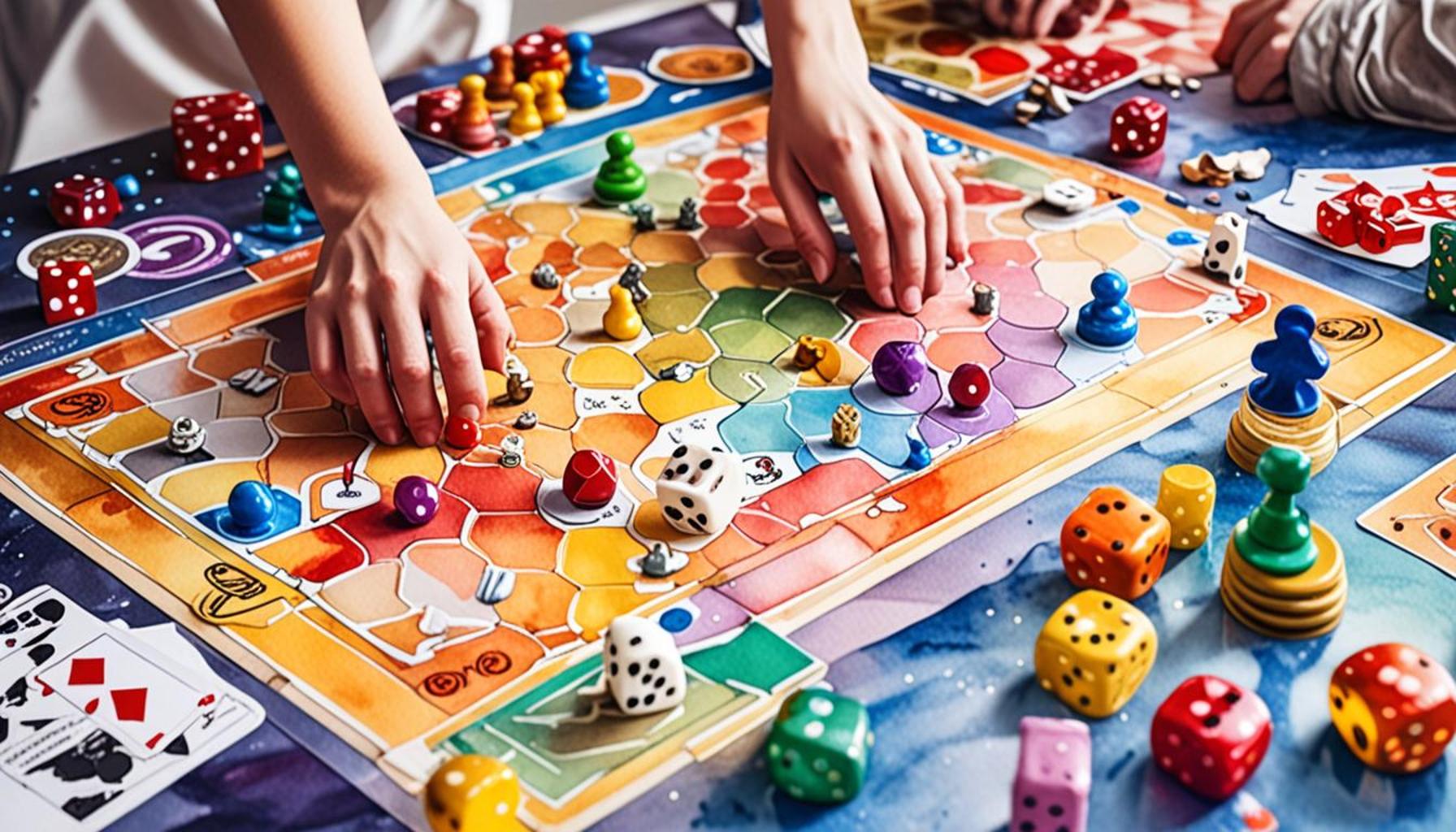
In an age where digital distractions dominate our leisure time, board games have made a remarkable comeback, offering not just entertainment but also mental stimulation. These engaging activities require players to employ strategic thinking, enhancing cognitive abilities essential for navigating real-world challenges. As enthusiasts gather around their tables, they inadvertently cultivate skills that transcend the game itself.
Engaging with board games sharpens problem-solving skills in various ways:
- Critical thinking: Players evaluate situations and make informed decisions.
- Strategic planning: Anticipating opponents’ moves fosters foresight.
- Adaptability: Players learn to pivot strategies as dynamics shift.
This article explores the vital role that strategic thinking in board games plays in developing these problem-solving abilities. Get ready to uncover the Top 5 board games that effectively enhance your skills while providing endless fun. Are you ready to elevate your game and your mind?
CHECK OUT: Click here to explore more

Top 5 Importance of Strategic Thinking in Board Games: Developing Problem-Solving Skills
Board games have evolved from simple pastimes into sophisticated platforms that cultivate a range of cognitive abilities. While many appreciate them for their entertainment value, the underlying benefits extend well beyond simply passing the time with friends and family. They serve as a key vehicle for honing strategic thinking and problem-solving skills. In this article, we delve into the top five reasons why strategic thinking is crucial in the realm of board games, ranking them from fifth to the first, to reveal how these timeless activities contribute to cognitive development.
5. Engagement through Competition
The social dynamics of board games inject a rich layer of competition that is integral to their appeal. This element of rivalry isn’t mere surface tension; it engages players deeply, urging them to outthink their opponents and consider every possible outcome. Board games often require direct interaction with competitors, creating a milieu where bluffing, strategic use of resources, and anticipating rival moves all come into play.
This environment sharpens a player’s ability to solve problems while thinking on their feet. Consider games such as “Risk,” where the balance between aggression and defense is perpetually tested, each decision scrutinized for immediate and lasting impacts. In competitions like these, players learn to stay calm under pressure and make informed, careful choices.
4. Enhancing Analytical Thinking
For a game to engage the serious enthusiast, complexity in its ruleset is almost a given. Many beloved board games are built upon intricate rules that necessitate strong analytical thinking skills. Games like “Chess” or “Go” stand as legendary tests of this ability, requiring participants to evaluate their own position, predict opponent strategy, and gauge outcomes from an uncertain mix of options.
This ongoing assessment and decision-making sharpen the mind’s ability to parse complex problems into digestible steps. These skills extend beyond gaming nights; developing analytical thinking aids in deconstructing real-world problems and devising practical, effective solutions in academia, business, or daily life.
3. Promoting Team Collaboration
The rise of cooperative board games has significantly influenced the landscape, offering new dimensions for developing collaborative skills. Titles like “Pandemic” place players in roles that work toward a shared objective, emphasizing the importance of strategic team action and group problem-solving.
This form of gameplay cultivates interpersonal skills, such as communication, negotiation, and conflict resolution. A player must effectively communicate strategies and adapt to the group’s evolving needs, mirroring real-life workplace dynamics. This experience in teamwork competence plays out across professional and personal scenarios, adapting to diverse demands and personalities.
2. Fostering Creativity and Innovation
In an age where creativity drives innovation, board games stand as an unsuspected source of inspiration. Games that require bespoke strategies, such as “Catan” or “Ticket to Ride,” exemplify how gameplay demands a creative edge. Players must discern patterns, invent adaptive approaches, and exhibit ingenuity in the face of opponent maneuvers.
This necessity for creative problem-solving fosters a mental agility that transcends the game and prepares individuals for creative challenges in their daily lives. From new product development to resolving everyday challenges, the ability to innovate and think outside traditional constraints propels growth and success.
1. Building Long-Term Planning Skills
At the peak of strategic thinking development lies the art of long-term planning, a skill meticulously cultivated through the prolonged arc of many board games. Titles like “Settlers of Catan” or “Civilization” require foresight and patience, rewarding players who can anticipate future challenges and opportunities.
This skill is invaluable not only in games but as a life skill that affects career planning, financial management, and personal goal setting. Players learn to weigh short-term sacrifices for significant long-term rewards, mastering the dynamics of risk and reward that permeate real-world decision-making.
Understanding these balance points—timing, resource allocation, and potential gains—builds a decisive confidence. This kind of foresight endows individuals with the calm assurance required to navigate life’s unpredictable tides, transforming challenges into opportunities for growth.
Conclusion
The strategic nature of board games provides far more than just social amusement; it serves as a vital tool for nurturing and developing multifaceted cognitive abilities. Through competition, analytical thinking, teamwork, creativity, and long-term planning, players are not merely entertaining themselves but engaging in a cerebral exercise that enriches their lives.
By expanding these skills across different game genres, individuals can harness the lessons learned from the board to tackle real-world problems with more agility and acumen. In an increasingly complex society, strategic thinking nurtured through board games could serve as a cornerstone for success and personal development. So, the next time you sit down for a game night, remember you’re not just playing—you’re training your mind for the challenges of tomorrow.
| Category | Details |
|---|---|
| Critical Thinking | Engaging in board games requires players to assess situations, anticipate opponents’ moves, and analyze possible outcomes. This enhances critical thinking skills by prompting players to evaluate information and make strategic decisions. |
| Team Collaboration | Many board games involve multiplayer interactions where cooperation and communication are essential for success. This facilitates team building, as players learn to work together, share ideas, and develop collective strategies. |
| Adaptability | Board games often present unexpected challenges that require players to adapt their strategies on the fly. This adaptability teaches resilience, helping individuals cope with changes and think on their feet effectively. |
| Long-term Planning | Success in many board games hinges on the ability to plan several moves ahead. This focus on long-term strategy fosters foresight in players, encouraging them to consider future consequences of their actions rather than relying solely on immediate results. |
CHECK OUT: Click here to explore more
Frequently Asked Questions about Strategic Thinking in Board Games
What is strategic thinking in board games, and why is it important?
Strategic thinking in board games involves the ability to plan ahead, anticipate opponents’ moves, and make decisions that maximize your chances of winning. It is important because it not only enhances your gaming experience but also develops cognitive skills such as problem-solving, logical reasoning, and critical thinking. Players who engage in strategic thinking often find themselves better equipped to handle complex real-world problems as they learn to analyze situations from multiple perspectives and adapt their strategies accordingly.
Can playing board games really improve problem-solving skills?
Yes, playing board games can significantly improve problem-solving skills. Many board games present players with challenges that require them to use their reasoning abilities to find solutions. As players navigate through these games, they develop skills such as pattern recognition, resource management, and strategic planning. Research has shown that these cognitive benefits can translate into improved problem-solving abilities in everyday situations, making board games a valuable tool for both entertainment and education.
What types of board games are best suited for developing strategic thinking?
There are several types of board games that are particularly effective in developing strategic thinking skills. Games like Chess, Go, and Settlers of Catan are excellent choices as they require players to engage in deep strategic planning. These games challenge players to think several steps ahead and consider various possible outcomes. Additionally, games like Risk and Ticket to Ride help players understand the importance of resource allocation and long-term strategic goals. Choosing the right board game can provide a fun way to enhance strategic thinking skills.
How does strategic thinking in board games translate to real-world skills?
Strategic thinking in board games translates to real-world skills by fostering a mindset that values careful planning, adaptability, and forward-thinking. Players learn to assess their environment, analyze potential risks and rewards, and make informed decisions—skills that are crucial in personal and professional contexts. Moreover, strategic thinking encourages creativity by challenging players to devise unique solutions to overcome obstacles. By regularly engaging in strategic board games, players can hone these skills and apply them effectively in various real-life situations.
Is there any age limit to benefit from the strategic thinking skills gained through board games?
No, there is no age limit to benefit from the strategic thinking skills gained through board games. People of all ages, from young children to older adults, can improve their cognitive abilities by playing strategic board games. However, it is essential to choose age-appropriate games that match the player’s skill level and cognitive capacity. Early engagement in strategic thinking through board games can provide children with a strong foundation for future learning, while older adults can use them to maintain cognitive sharpness and mental agility as they age.
LEARN MORE: This related article may interest you
Conclusion
In the fascinating world of board games, the opportunity to hone strategic thinking is a paramount benefit. Through their intricate rules and objectives, these games challenge players to develop and apply problem-solving skills in real-time scenarios. The article has explored the top five reasons illustrating why strategic thinking in board games is critical: cognitive development, improved decision-making, enhanced foresight, adaptability, and teamwork. Each of these aspects contributes significantly to nurturing the complex problem-solving abilities that are not only applicable in gaming but extend to real-world situations.
Cognitive development through board games encourages players to analyze patterns and strategize effectively, fostering a sharper mental acumen. As each move presents a new challenge, decision-making skills are put to the test, allowing players to weigh options and anticipate outcomes. The element of foresight becomes crucial as players must envision different future scenarios to effectively navigate the game. Meanwhile, the ever-changing dynamics of board games cultivate adaptability, teaching players to pivot strategies in the face of unexpected developments.
Additionally, many board games are designed to be played collaboratively, emphasizing the importance of teamwork and collective strategizing. This aspect is particularly valuable, as it mirrors many of the cooperative challenges faced in professional and personal situations.
In conclusion, the strategic thinking demanded by board games is not merely an entertaining pursuit; it is a valuable exercise in mental agility. By engaging with these games, players can develop an array of skills that improve their problem-solving capabilities, providing benefits that are both immediate and enduring. The exploration of board games as tools for cognitive enhancement remains an exciting frontier, inviting both enthusiasts and skeptics to delve deeper into their potential. Engaging with board games can unlock newfound appreciation for strategic thinking and its impact on everyday life.