Boost Cognitive Performance with Logic and Mental Agility Games

Introduction
Engaging in mind games and puzzles isn’t just a pastime; it’s a proven way to enhance cognitive abilities. These activities stimulate the brain, improve problem-solving skills, and boost mental agility. With the increasing emphasis on mental fitness, understanding how to effectively utilize these games can lead to significant improvements in your cognitive performance.
The world of logic games offers a treasure trove of options, from classic crossword puzzles to intricate strategy games. Each of these can help train your mind and sharpen your reflexes. By participating in regular mental challenges, you can develop a sharper focus, greater creativity, and enhanced overall cognitive function.
In this article, we’ll explore the top options available for those looking to optimize their mental capabilities. Prepare to dive into our carefully curated Top 5 games that can elevate your cognitive experience and transform your mental agility.
ADDITIONAL INSIGHTS: Expand your understanding here
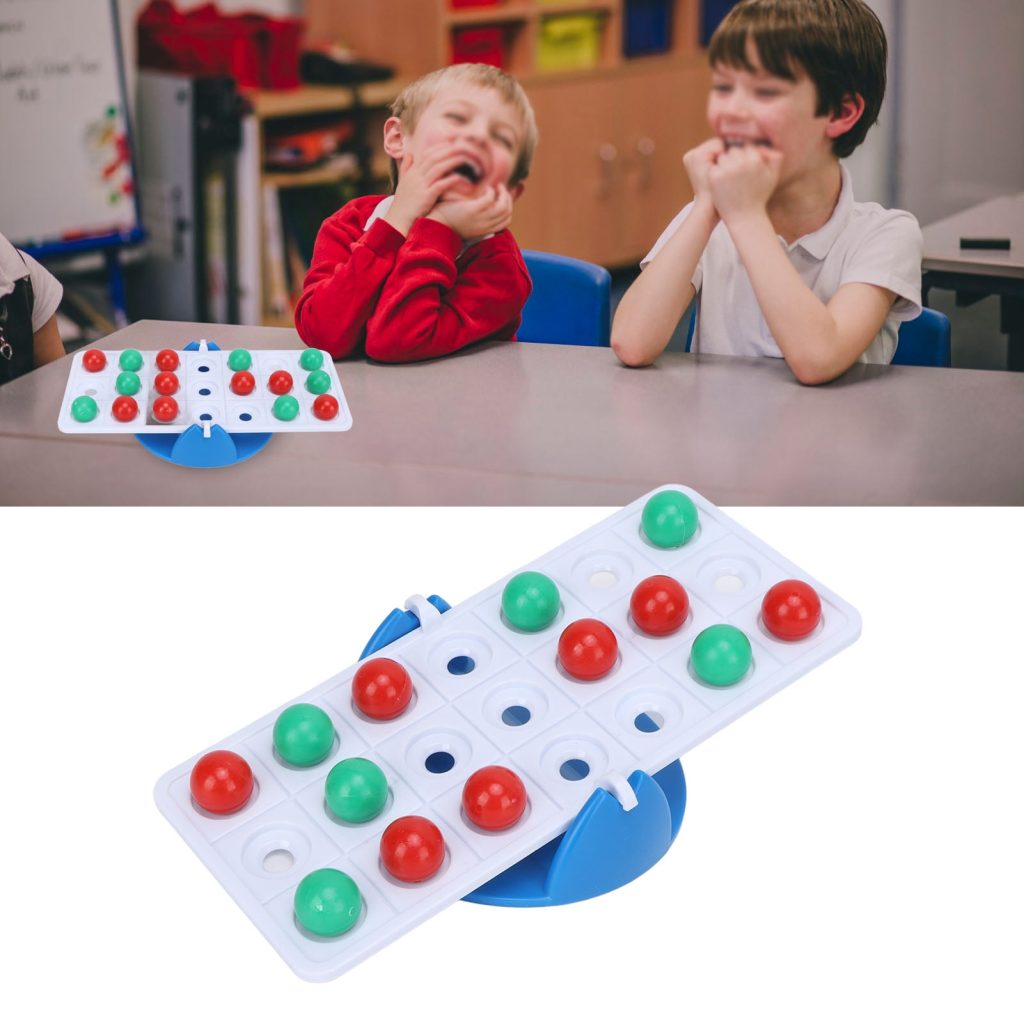
Top 5 Logic and Mental Agility Games: How to Enhance Your Cognitive Performance
In today’s fast-paced world, where innovation and creativity are paramount, improving cognitive performance has become crucial. Logic and mental agility games offer an engaging way to sharpen the mind while having fun. Whether integrating technology or indulging in traditional games, these activities are more than just pastime—they’re tools for enhancing mental acuity. Let’s delve into the top 5 games that stimulate your brain and boost your cognitive abilities.
5. Sudoku
Sudoku, a puzzle lover’s delight, is a numeric challenge that can transform your logical thinking. The game involves a 9×9 grid divided into nine 3×3 boxes, where the aim is to fill the grid with digits from 1 to 9, with each number appearing only once per row, column, and box. While seemingly simple, the strategic depth of Sudoku can provide numerous cognitive benefits.
Playing Sudoku regularly has been shown to enhance various mental faculties:
- Improved problem-solving skills: Each Sudoku puzzle requires logical strategies to place numbers, which encourages sophisticated problem-solving approaches.
- Enhanced memory: Players must remember number placements and potential interactions within the grid, strengthening cognitive recall.
- Increased concentration: Maintaining focus on the grid can improve attention span and concentration skills over time.
As the difficulty of puzzles increases, so does the challenge to your brain, stimulating mental agility and logical processing skills. Options for Sudoku are plentiful, available in both physical puzzle books and various online platforms, offering an accessible way to engage with the game anytime.
4. Brain Training Apps
In the digital age, brain training apps have surged in popularity, providing an innovative means to enhance cognitive functions. Apps like Lumosity, Peak, and Elevate are at the forefront, offering an array of mini-games that target specific brain areas such as memory, attention, and problem-solving skills.
These applications are more than just games—they’re a personalized cognitive enhancement journey:
- Customizable training: Each app allows users to focus on particular skills they intend to improve, offering a tailored experience.
- Progress tracking: Detailed analytics and reporting features enable users to monitor their cognitive growth over time, helping to identify strengths and areas for improvement.
- Fun and engaging challenges: The games are designed to be both stimulating and enjoyable, making learning seamlessly entertaining.
Brain training apps are accessible to individuals of all ages, making them versatile tools for anyone serious about cognitive growth. The flexibility and adaptability of these apps mean they can comfortably fit into even the busiest of schedules, promoting consistent mental fitness.
3. Chess
Chess is far more than a game—it’s a timeless duel of intellect and foresight. Known as the “game of kings,” chess requires players to engage in complex strategic planning and deep analytical thinking, making it a staple for those looking to improve their mental prowess.
The advantages of playing chess regularly include:
- Strategic thinking: Each game is an exercise in planning and anticipating opponents’ moves several steps ahead.
- Critical analysis: Players must continuously evaluate threats and opportunities, cultivating logical reasoning and critical thinking skills.
- Pattern recognition: Familiarizing with common tactics and strategic setups boosts cognitive processing and adaptability.
Many online chess platforms connect players to a global network, allowing for varied competition levels and diverse strategic encounters. Whether a novice or an experienced player, chess offers continuous opportunities for mental growth and skill refinement.
2. Logic Puzzles
Logic puzzles, in their myriad forms such as grid puzzles, riddles, and lateral thinking challenges, push cognitive complexity to new limits. These puzzles are designed to provoke thought and deductive reasoning, requiring players to piece together information and derive logical solutions.
Engaging with logic puzzles comes with substantial cognitive perks:
- Cognitive flexibility: Puzzles force players to adapt to new scenarios and rethink strategies, promoting a broader approach to problem-solving.
- Enhanced attention to detail: Finding solutions requires a keen eye for subtle clues, enhancing focus and attentiveness.
- Boosted analytical skills: Logical deductions are made by analyzing various relationships and clues, sharpening analytical expertise.
The diversity of logic puzzles ensures there’s a constant stream of new challenges, whether found in puzzle books or through online platforms, that keep the mind actively engaged.
1. Escape Room Games
Topping the list are escape room games, a burgeoning trend combining immersive storytelling with puzzle-solving. In these scenarios, players are placed in themed environments and tasked with solving a series of interconnected puzzles to escape within a set timeframe.
Escape rooms enhance cognitive performance through:
- Teamwork: Collaborative efforts in solving complex puzzles sharpen communication and interpersonal skills.
- Diverse problem-solving skills: Varied puzzles require different cognitive approaches, fostering versatile problem-solving abilities.
- Time management: The time constraint compels quick thinking and efficient decision-making, vital skills in any fast-paced environment.
As both a social and mental exercise, escape room games are an exciting way to enhance cognitive abilities. They combine elements of play and education in a synergistic manner, providing both mental stimulation and entertainment.
Ultimately, these games do more than fill time—they are tools for mental development. By integrating them into daily routines, players can experience marked improvements in cognitive performance, building sharper, more agile minds ready for the challenges of modern life.
| Category | Details |
|---|---|
| Cognitive Flexibility | Games enhance the brain’s ability to switch between thoughts, improving adaptability in various situations. |
| Problem-Solving Skills | Engaging in logical games fosters critical thinking, sharpening the ability to analyze and find solutions more efficiently. |
| Memory Enhancement | These games promote the retention of information by challenging memory recall, making them an effective tool for improving memory. |
| Focus and Concentration | Playing logic-based games trains the brain to maintain focus, crucial for accomplishing tasks effectively in daily life. |
Within this rich landscape of cognitive training, cognitive flexibility stands out as a vital skill. Engaging with games that challenge our thinking processes allows for smoother transitions between different concepts and ideas. This not only applies to gaming but translates into our daily routines, where adaptability is prized, especially in fast-paced environments.Moreover, problem-solving skills are markedly enhanced through these games. When players tackle various puzzles and challenges, they practice breaking down complex issues into manageable parts. As a result, this exercise improves analytical skills over time, empowering individuals to address obstacles in both personal and professional domains with greater confidence.Memory is another aspect that benefits significantly from these activities. Games that demand active recall and strategic planning fortify memory pathways. Through consistent practice, players tend to show an increase in memory capacity and retention power, essential when juggling numerous responsibilities or studying new information.Lastly, the improvements in focus and concentration cannot be disregarded. Logic games require undivided attention to navigate challenges successfully. Regular engagement cultivates an ability to concentrate that can greatly enhance productivity levels, whether at work, in academic settings, or while managing everyday tasks. As we delve deeper into the world of logic and mental agility games, the positive ripple effects on cognitive performance become increasingly clear, revealing a treasure trove of benefits waiting to be unlocked.
ADDITIONAL INSIGHTS: Expand your understanding here
Frequently Asked Questions About Logic Games and Mental Agility
What are the benefits of playing logic games and how do they improve cognitive performance?
Playing logic games offers numerous benefits, including enhancing problem-solving skills, improving memory retention, and increasing mental agility. These games challenge the brain by presenting complex scenarios that require strategic thinking, thereby stimulating neural connections. Studies have shown that engaging in such cognitive activities can aid in delaying cognitive decline and boost overall mental health.
Are there specific types of logic games that are more effective in enhancing mental agility?
While any logic game can prove beneficial, some specific types are renowned for their effectiveness. Puzzles such as Sudoku, crosswords, and chess are exceptional at sharpening mental dexterity and strategic thinking skills. Digital games designed with adaptive challenges and varying difficulty levels can provide a dynamic experience that continually pushes cognitive boundaries, thereby optimizing mental agility.
How often should one engage in logic games to see a noticeable improvement in cognitive abilities?
The frequency of playing logic games can vary based on individual preferences and schedules. However, consistency is key. Engaging in such activities for at least 15-30 minutes daily can yield significant improvements in cognitive function over time. The brain thrives on regular stimulation, and continuous exposure to challenging tasks ensures steady cognitive development.
Can children benefit from playing logic games, and if so, how?
Yes, children can greatly benefit from logic games as they promote brain development, enhance critical thinking, and improve problem-solving abilities. These games encourage young minds to look for patterns, form strategic plans, and understand complex ideas in a fun and engaging manner. Early exposure to logic games can instill a love for learning and set the foundation for lifelong cognitive skills.
Are there any potential downsides or limitations to relying on logic games for cognitive enhancement?
While logic games are a valuable tool for mental enhancement, it’s essential to balance them with other activities and maintain a varied approach to brain health. Over-reliance may lead to diminishing returns in cognitive benefits. Moreover, some individuals might experience frustration or stress if the games are too challenging. Thus, it’s crucial to find enjoyable and appropriately challenging options that fit one’s skill level and personal preferences.
YOU MAY ALSO LIKE: Read this other article
Conclusion
In an age where mental acuity and cognitive performance are increasingly vital, the role of mind games and puzzles cannot be overstated. Throughout this exploration of “Jogos de Lógica e Agilidade Mental: Como Melhorar Seu Desempenho Cognitivo,” we have uncovered their potential to significantly enhance mental functions. Engaging regularly with such activities can lead to improved memory, sharper problem-solving skills, and increased logical reasoning capacity.
Our article took a deep dive into the top five mind games and puzzles, explaining their individual benefits. Traditional puzzles and logic games are not merely about having fun; they are about tuning the brain’s capacity to process information efficiently. Whether through sudoku, crosswords, or strategy-based games like chess, each activity offers unique ways to bolster our cognitive abilities.
Scientific studies reinforce the value of these mental exercises, equating the engagement of brain teasers to physical workouts for the brain. With consistent practice, individuals can see noticeable improvements in mental agility, leading to better task management and enhanced creativity in problem-solving scenarios. Additionally, our exploration emphasized the importance of variety and challenging oneself to prevent cognitive plateaus.
In conclusion, as our lives become more intertwined with technology and the demands on our mental faculties increase, integrating mind games into our daily routines is both a beneficial and enjoyable way to maintain mental health. Their accessibility and diversity offer everyone the opportunity to elevate their cognitive performance and contribute positively to mental well-being. For those eager to dive deeper into this subject, further research and experimentation with different varieties of logic and mind agility games can open new pathways to mental enrichment.