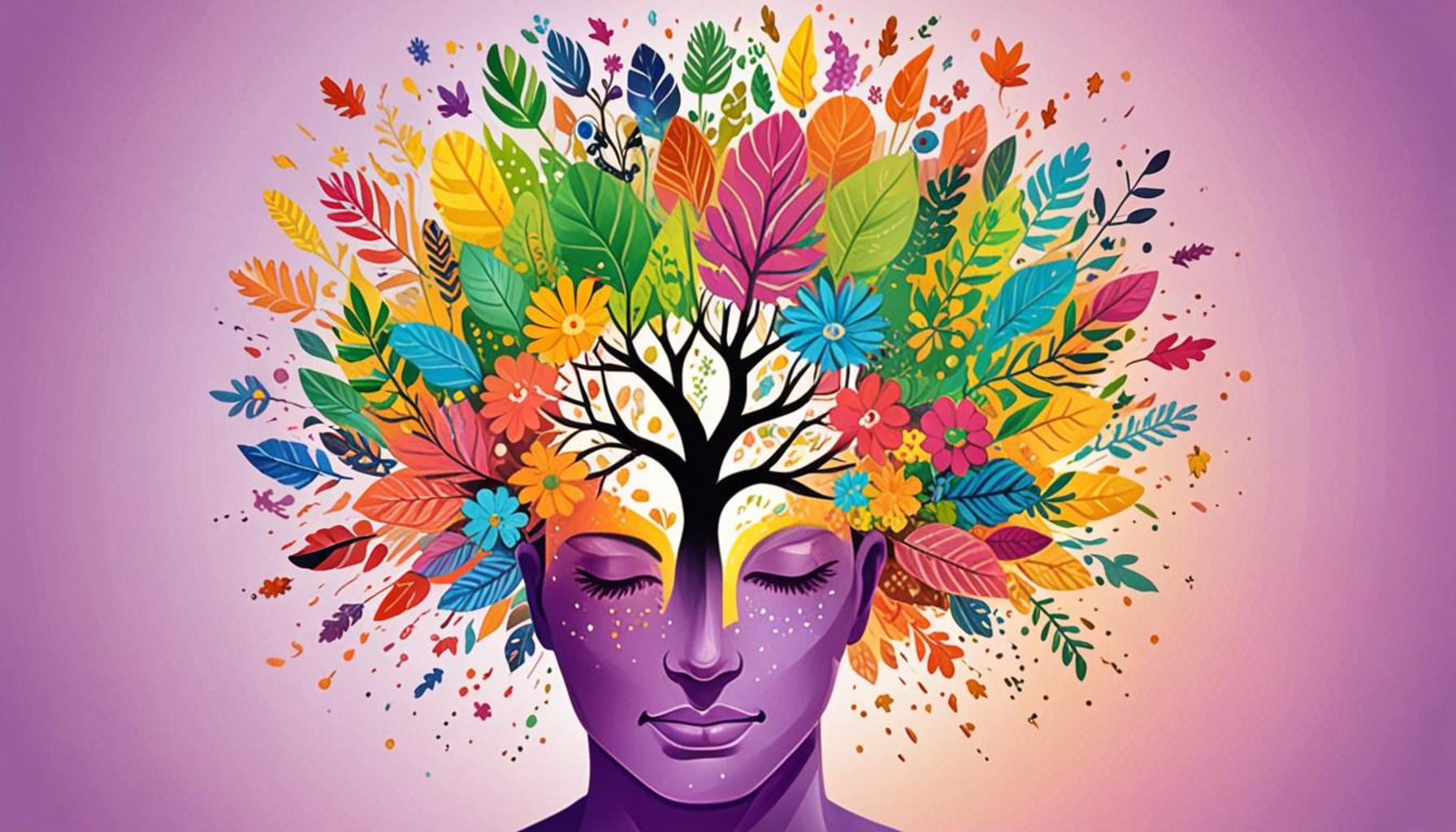
How Positive Affirmations Can Transform Self-Confidence and Mental Health

Understanding the Impact of Positive Affirmations
In a world characterized by rapid change and heightened pressures, many find themselves grappling with issues such as self-confidence and mental health challenges. Amidst this landscape, individuals are increasingly seeking out practical solutions to enhance their well-being, and positive affirmations have emerged as a meaningful practice that can create significant change in one’s life.
Positive affirmations are concise statements designed to challenge and diminish negative thoughts while promoting a healthier outlook on life. These affirmations can profoundly influence several crucial areas, including:
- Self-Esteem: By actively replacing self-doubt with words of encouragement, individuals can cultivate a sense of self-love and acceptance. For instance, repeating affirmations such as “I am capable and worthy of love” can help reinforce one’s self-worth.
- Stress Reduction: Engaging in positive self-talk can lower anxiety levels, reinforcing an individual’s resilience in the face of stress. Simple phrases like “I am calm and in control” can shift one’s focus and reduce feelings of overwhelm.
- Motivation: Affirmations can serve as a source of inspiration, empowering individuals to take actionable steps toward their goals. Statements like “I am taking steps every day towards my goals” can encourage persistence and enthusiasm.
Numerous studies have underscored the profound effects of integrating positive affirmations into daily routines. A notable study conducted by psychologists found that those who regularly practiced affirmations displayed:
- Increased resilience to stress, enabling them to cope better with life’s challenges.
- Enhanced performance in demanding situations, whether in academics, work, or personal pursuits. This shows how a positive mindset can translate into tangible results.
- Improved overall mood and a more optimistic outlook on life, contributing to a healthier and happier existence.
By incorporating positive affirmations as part of a daily routine, individuals can experience a shift in perspective that empowers them to confront difficulties with a renewed sense of purpose. This practice isn’t just about repeating words; it’s about embedding them into one’s psyche and beliefs. As we explore further, you’ll discover the transformative potential of these brief yet impactful statements in reshaping your confidence and enhancing your mental health journey. Embracing the power of positive affirmations might just be the key to unlocking a brighter future.

DISCOVER MORE: Click here to learn about emotional balance
The Science Behind Positive Affirmations
Understanding how positive affirmations can influence self-confidence and mental health begins with their psychological basis. These affirmations are rooted in cognitive behavioral therapy (CBT), which emphasizes the relationship between thoughts, feelings, and behaviors. The premise is simple yet profound: changing negative thought patterns can lead to positive changes in our emotions and actions. By verbalizing empowering statements, individuals can disrupt the cycle of self-doubt that often hampers personal growth.
Research indicates that consistent use of positive affirmations can yield transformative outcomes. According to a study published in the journal *Psychological Science*, participants who engaged in self-affirmation exercises demonstrated greater resilience in stressful situations compared to those who did not. These findings suggest that affirmations may not only enhance mental well-being but also equip individuals to handle setbacks with greater poise.
How Affirmations Affect Self-Perception
One of the most compelling aspects of positive affirmations is their ability to reshape self-perception. When individuals repeat affirmations such as “I am strong” or “I am deserving of success,” they signal their subconscious to accept these truths. This process fosters an internal dialogue that replaces negative self-talk with supportive language. To illustrate this, consider the following outcomes:
- Enhanced Self-Awareness: Affirmations can lead to increased self-reflection, helping individuals recognize their strengths and areas for growth.
- Reduction of Negative Thoughts: Regularly affirming positive qualities diminishes the influence of critical inner voices, paving the way for self-acceptance.
- Development of a Growth Mindset: Positive affirmations encourage a shift from a fixed mindset to one that embraces challenges, fostering resilience and adaptability.
The impact of this practice on mental health cannot be understated. Many individuals battling issues such as anxiety and depression find solace through the affirmation process. A 2021 study in *The Journal of Happiness Studies* highlighted that participants who incorporated positive self-statements into their routine reported lower levels of anxiety and improved mood after just a few weeks. This transformative potential lies in the fundamental human desire for recognition and acceptance, both from oneself and from others.
Moreover, as individuals start to notice positive shifts in their mental state, they often become more inclined to take proactive steps in their lives. This cyclical improvement—wherein a positive mindset leads to healthier habits, which in turn reinforces that positivity—illustrates the deep connection between mental health and self-affirmation.
In summary, positive affirmations not only serve as a powerful tool for boosting self-confidence but also play a critical role in promoting mental well-being. By harnessing the power of these simple statements, individuals can embark on a journey towards self-discovery and healing. As we delve deeper into the implementation of affirmations in everyday life, it becomes clear that the path to a more confident and mentally healthy self is within reach.
Understanding the Impact of Positive Affirmations
Positive affirmations are powerful tools that can significantly enhance self-confidence and mental health. By repeating positive statements, individuals can challenge and overcome negative thoughts. This cognitive restructuring helps in building a more positive self-image. Notably, a study published in the journal *Psychology of Consciousness: Theory, Research, and Practice* revealed that engaging with positive affirmations helps reduce stress and increases overall well-being.
Mechanisms Behind Positive Affirmations
The effectiveness of positive affirmations lies in their ability to trigger a positive emotional state. When individuals consistently affirm their strengths and capabilities, it rewires their mindset, fostering resilience. As a result, those facing daily challenges may find themselves reacting more calmly and positively, thereby enhancing their mental health. Additionally, the practice can encourage a growth mindset, allowing individuals to view setbacks as opportunities for development rather than failures.
Real-Life Applications
Incorporating positive affirmations into daily routines can be simple and rewarding. Whether written on sticky notes, spoken aloud during morning rituals, or meditated upon, the key is consistency. Individuals may start by focusing on specific areas where they seek improvement or confidence. For instance, phrases like “I am worthy of love and respect” can counter feelings of inadequacy. This conscious effort has led several users to report a decrease in anxiety levels and an improved outlook on life.
Further Research Insights
Recent research has emphasized that positive affirmations not only improve self-esteem but can also have a ripple effect on interpersonal relationships. Individuals who practice affirmations usually exhibit increased empathy and better communication skills, directly impacting their social interactions. This newfound positivity can lead to healthier personal and professional relationships, further solidifying an individual’s confidence and mental well-being.
| Advantages of Positive Affirmations | Impact on Self-Confidence and Mental Health |
|---|---|
| Boosts Self-Esteem | Regular affirmation practices help individuals recognize their worth, leading to increased self-esteem. |
| Reduces Negative Self-Talk | Affirmations counteract harmful thoughts, promoting a more positive and constructive internal dialogue. |
| Enhances Resilience | Consistent practice helps individuals deal effectively with challenges and setbacks. |
| Fosters a Growth Mindset | Encourages individuals to embrace challenges as opportunities for learning and improvement. |
DISCOVER MORE: Click here to learn how to use positive affirmations for better emotional balance
Integrating Affirmations into Daily Life
Transforming self-confidence and enhancing mental health through positive affirmations involves more than just sporadic practice; it requires integration into daily life. This consistent application is key to maximizing the benefits of affirmations. Here are several practical strategies to incorporate affirmations into your routine effectively:
- Morning Rituals: Starting the day with affirmations can set a positive tone. As part of a morning ritual, individuals might recite statements such as “I am ready to face challenges today” or “I attract positivity and success.” Research from *The Journal of Positive Psychology* shows that morning affirmations correlate with higher levels of optimism and proactive behaviors throughout the day.
- Affirmation Journals: Maintaining an affirmation journal provides a tangible way to commit to these empowering statements. Individuals can write daily affirmations along with reflections on their experiences and growth. This practice not only reinforces their beliefs but serves as a record of progress over time.
- Visual Reminders: Placing sticky notes with affirmations in frequently seen spots—like mirrors, refrigerators, or computer screens—creates constant reminders of one’s positive beliefs. A study conducted by researchers at *Harvard University* emphasized the psychological benefits of visual cues that enhance motivation and self-identity.
The Impact on Relationships
An often-overlooked aspect of positive affirmations is their potential to improve interpersonal relationships. As individuals cultivate self-love and acceptance through affirmations, they become more likely to express positivity toward others. This shift can create a ripple effect, where a supportive environment fosters deeper connections. Research published in *Psychology of Relationships* highlights that individuals expressing self-affirmative thoughts tend to show more empathy and cooperation, vital components of healthy relationships.
Moreover, the practice of mutual affirmation within relationships—couples or friends exchanging positive statements about each other—can strengthen bonds. This type of interaction not only reinforces individual self-worth but also builds trust, and enhances communication. For example, partners who regularly affirm each other’s strengths and achievements are likely to create a more resilient relationship dynamic.
Challenges and Misconceptions
<pDespite the growing body of evidence supporting the efficacy of positive affirmations, some misconceptions persist. One common criticism is that affirmations may seem disingenuous, leading to a disconnect between personal identity and the affirmations being used. However, expert opinions suggest that affirmations should be tailored to one's genuine experiences. Instead of generic statements, individuals may focus on personalized affirmations that resonate deeply, such as "I am capable of great things because I have overcome challenges." This approach promotes authenticity and fosters deeper internal acceptance.
Additionally, one must remember that while positive affirmations can be a powerful tool, they are not a panacea. The journey towards improved self-confidence and mental health is multifaceted—incorporating therapy, lifestyle changes, and support systems alongside affirmations can amplify the effects and help individuals navigate deeper psychological issues effectively.
In navigating the landscape of self-improvement, positive affirmations stand out as a simple yet powerful method. With dedicated practice and the right mindset, individuals can harness their transformative power to reshape self-perception, enhance mental well-being, and foster healthier relationships.
DISCOVER MORE: Click here for tips on building your self-esteem
Conclusion: The Lasting Effects of Positive Affirmations
In conclusion, the power of positive affirmations lies in their ability to fundamentally change how individuals perceive themselves and their potential. By consistently integrating affirmations into daily routines, such as morning rituals, journaling, and visual reminders, individuals can foster an environment conducive to boosting self-confidence and promoting mental well-being. The benefits, as highlighted by various studies, extend beyond personal development and reach into enhancing relationships, encouraging empathy, and increasing trust among peers.
It is essential to recognize that the practice of affirmations is not merely a quick fix; rather, it forms a valuable part of a larger toolkit for psychological growth. Awareness of personal challenges and tailoring affirmations to resonate genuinely with one’s experiences can further amplify their effectiveness. In navigating the complexities of mental health, combining affirmations with other therapeutic approaches often leads to more profound and lasting changes.
As individuals embark on their journey of self-improvement, embracing positive affirmations can be a transformative step towards achieving not only enhanced self-confidence but also a healthier mindset. The call to action is clear: explore the limitless possibilities that affirmations offer and witness how a shift in internal dialogue can lead to significant, positive life changes. In a society where mental health is paramount, the simple act of affirming one’s worth may just be the catalyst needed for a brighter, more empowered future.