The Importance of Emotional Balance in the Daily Practice of Positive Affirmations

Unlocking the Power of Positive Affirmations
In today’s fast-paced world, maintaining emotional balance is essential for personal well-being. Many individuals turn to positive affirmations as a daily practice to boost self-esteem and cultivate a positive mindset. However, the true effectiveness of these affirmations often hinges on a foundation of emotional stability. Feeling overwhelmed by life’s challenges can sometimes overshadow the potential of simple positive phrases. Therefore, integrating emotional intelligence into affirmation practices becomes crucial for fostering a genuine sense of empowerment.
The concept of emotional balance not only enhances the benefits of affirmations but also addresses the underlying feelings and thought patterns that permeate our daily lives. One useful approach to achieving emotional balance lies in developing self-awareness, which involves recognizing one’s emotional triggers. For instance, if a person is aware that criticism from a coworker often leads them to feel inadequate, they can tailor their affirmations to combat these specific feelings, perhaps with phrases like “I value my contributions at work” or “I am confident and capable.” By personalizing affirmations in this way, individuals can create a more fruitful practice focused on their unique experiences.
Consistency is another vital component in the affirmation journey. Just as building a muscle requires regular exercise, cultivating a positive mindset through affirmations demands ongoing commitment. Setting aside a few minutes each day—perhaps in the morning or before bed—can significantly enhance emotional well-being. However, it is important to remember that consistent practice must be complemented by emotional health. This means taking time to process emotions rather than merely glossing over them with uplifting affirmations.
The ripple effect of a well-balanced emotional state can be profound. When individuals achieve emotional equilibrium, they often find that their affirmations begin to have a more significant impact on their daily lives. This can lead to improved relationships, as people become more empathetic and understanding when feeling balanced. Additionally, better stress management is a natural byproduct; an emotionally stable person is likely to respond rather than react to stressors, making them more equipped to face challenges without succumbing to anxiety.
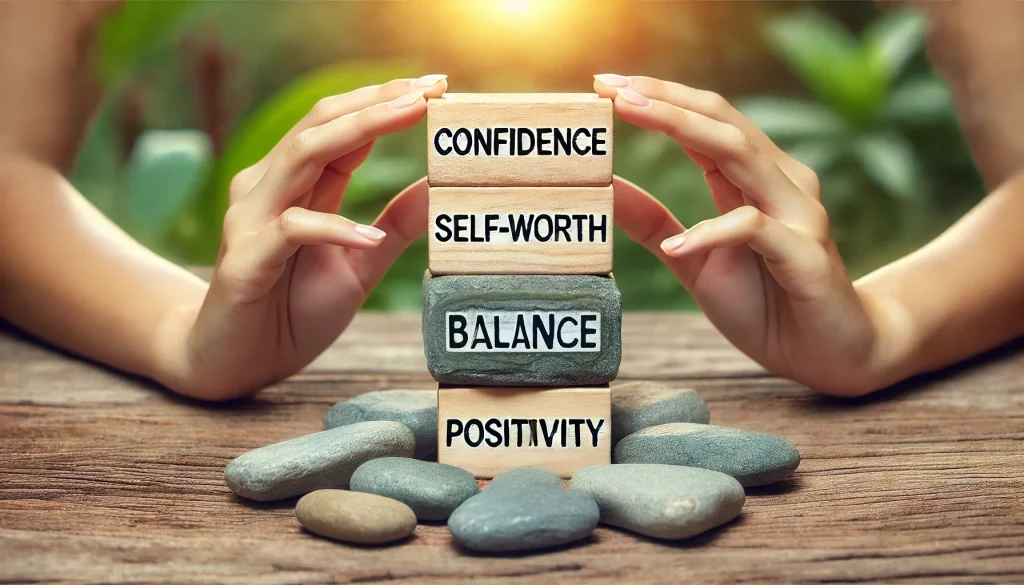
As we delve deeper into this topic, it becomes evident that simply reciting affirmations is not enough. Integrating emotional balance into daily routines can unlock profound transformations. The crucial interplay between emotional health and affirmations should prompt readers to explore various methods that can enhance their practice, leading to genuine and lasting growth. By being mindful of their emotional landscape and using affirmations as tools for empowerment, individuals can navigate life’s complexities with greater ease and resilience.
DISCOVER MORE: Click here to boost your self-confidence
Finding Harmony: The Path to Emotional Balance
Achieving emotional balance is akin to tuning an instrument; every aspect of our emotional well-being must work in harmony to produce a beautiful melody in our lives. When it comes to the practice of positive affirmations, this balance acts as the essential backdrop that enhances their impact. A well-balanced emotional state allows individuals to absorb affirmations deeply, transforming simple proclamations into powerful motivators for change.
One significant aspect underscoring the importance of emotional balance is the concept of resilience. Resilience enables individuals to bounce back from setbacks and maintain a positive outlook in the face of adversity. Without this emotional strength, affirmations can feel hollow or disingenuous. For instance, an individual facing an overwhelming workload might recite the affirmation, “I am capable of handling any challenge,” but if they are struggling emotionally, these words might offer little solace. Conversely, those who nurture their emotional health are often better equipped to integrate affirmations meaningfully into their daily lives, providing a foundation from which they can thrive.
Additionally, understanding the role of emotional triggers is crucial in the pursuit of balance. By identifying specific triggers—those situations or people that evoke strong emotional reactions—individuals can create personalized affirmations tailored to combat these responses. To illustrate this further, consider the following common emotional triggers and suitable affirmations that may alleviate discomfort:
- If you feel anxious during social interactions: “I am confident and comfortable in social settings.”
- If you feel self-doubt at work: “I contribute valuable ideas and perspectives to my team.”
- If you feel overwhelmed by familial responsibilities: “I prioritize my well-being and embrace balance in my life.”
By crafting affirmations that address specific feelings, there emerges an opportunity for deeper emotional healing, transforming negative emotional states into positive affirmations that resonate with their everyday experiences.
Moreover, self-compassion plays a pivotal role in achieving emotional balance. The practice of being kind to oneself, especially in moments of struggle, fosters a nurturing inner dialogue essential for emotional regulation. Incorporating self-compassion into daily routines may involve effectively acknowledging one’s imperfections and offering oneself the same kindness they would extend to a friend. When individuals engage in self-compassionate affirmations, they mitigate feelings of inadequacy, enhancing emotional stability—making way for affirmations to take root and blossom.
Thus, striking this emotional equilibrium not only enhances the effectiveness of positive affirmations but also enriches one’s overall quality of life. With emotional balance acting as the sturdy core, individuals can confidently navigate the complexities of life, fostering a conducive environment for personal growth and self-discovery.
| Advantages | Details |
|---|---|
| Emotional Resilience | Practicing positive affirmations daily builds emotional strength, helping individuals bounce back from setbacks more effectively. |
| Enhanced Self-Esteem | Regular affirmations reinforce self-worth and encourage a positive self-image, supporting overall mental well-being. |
| Stress Reduction | Incorporating affirmations into daily practice lowers stress levels, promoting a calmer, more centered emotional state. |
| Improved Focus | By fostering a positive mindset, affirmations sharpen focus and clarity, allowing for more productive days. |
Emotional balance is critical when engaging with positive affirmations, as it allows individuals to process and internalize the affirmations meaningfully. Instead of merely reciting phrases, embracing them emotionally can transform their impact. Regularly reflecting on personal values while stating affirmations aids in creating a deeper connection to the words, thus enhancing their effectiveness.Research highlights that emotionally balanced individuals are more open to growth, resonating with the messages conveyed through positive affirmations. Tapping into emotions helps shape one’s reality, affirming the notion that if one believes in the positivity expressed, they can truly manifest it. Engaging with these affirmations not only assists in self-improvement but also enriches the emotional toolkit necessary for navigating life’s challenges.Moreover, when affirmations are paired with mindfulness practices, like meditation, the synergy fosters a powerful environment for emotional healing and growth. Cultivating a mindful approach to affirmations encourages deeper self-reflection, allowing for a comprehensive journey toward emotional balance. Exploring further on how to effectively incorporate these practices can reveal pathways to personal empowerment and well-being.
DIVE DEEPER: Click here to enhance your affirmation routine
Nurturing Emotional Health: Strategies for Practicing Balance
To truly harness the power of positive affirmations, one must actively engage in practices that promote emotional health and balance. This endeavor requires not only the repetition of positive statements but also a commitment to self-awareness and emotional well-being. Strategies that encourage emotional regulation and resilience can pave the way for affirmations to flourish.
One effective method for fostering emotional balance is the integration of mindfulness into daily routines. Mindful practices, such as meditation and deep breathing, allow individuals to cultivate a heightened state of awareness regarding their thoughts and feelings. This awareness can lead to a greater understanding of the emotions that arise when certain affirmations are recited. For example, if an affirmation such as “I am worthy of love and respect” evokes feelings of discomfort or disbelief, this response can serve as a signal to explore underlying beliefs about self-worth. Mindfulness equips individuals with the tools to navigate their emotional landscapes, providing a solid foundation for affirmations to resonate more powerfully.
Another essential aspect of emotional balance is the necessity of social support. Relationships play a pivotal role in our emotional well-being. Sharing one’s affirmations with trusted friends or family members can significantly enhance their effectiveness. Not only does this practice foster accountability, but it also opens doors for constructive feedback and encouragement. When peers affirm or echo these positive statements, they can counterbalance any residual doubt, reinforcing the affirmation’s authenticity. Engaging in group affirmations or workshops can be particularly beneficial; these environments can cultivate an energizing atmosphere where individuals draw strength and encouragement from one another.
Additionally, maintaining a grateful mindset can nourish emotional balance. Research indicates that gratitude practices can lead to improved mental health by honing focus on positive experiences rather than dwelling on negative emotions. Incorporating gratitude into the affirmation routine can create a synergistic effect. For instance, pairing an affirmation with a daily gratitude prompt, such as “I am grateful for my capabilities and growth” can foster an enriching loop of positive reinforcement, further solidifying the affirmation’s impact. Journaling about what one is grateful for can also serve as a powerful tool to redirect emotional focus and balance perceptions of self and circumstances.
Lastly, engaging in regular physical activity is crucial for maintaining emotional balance. Exercise has been scientifically proven to improve mood by releasing endorphins and reducing stress. The elevated mood state allows individuals to embrace their affirmations authentically. Incorporating affirmations into workouts, whether it be through repetition during a run or incorporating them into yoga poses, can also reinforce both physical health and emotional stability. As one’s body becomes stronger, the mind follows suit, creating an environment where positive affirmations thrive.
The journey toward emotional balance is ongoing and multifaceted. By embracing practices that nurture emotional health—mindfulness, social support, gratitude, and physical activity—individuals can ensure their daily practice of positive affirmations is not only more impactful but can also lead to transformative changes in their lives.
DISCOVER MORE: Click here to learn how positive affirmations can help
Conclusion: Embracing Emotional Balance for Effective Affirmation Practice
In summary, achieving emotional balance is a crucial component for maximizing the effectiveness of positive affirmations in our daily lives. As explored throughout this article, the intersection of practices such as mindfulness, social support, gratitude, and physical activity creates a holistic approach to emotional health that allows affirmations to flourish. When individuals are mindful of their thoughts and feelings, they can identify and address any negative beliefs that may hinder their ability to fully embrace positive affirmations.
Furthermore, the supportive roles of friends and community cannot be overlooked; they provide validation and encouragement, making the journey towards emotional equilibrium much more attainable. Integrating gratitude into this process not only enhances feelings of joy and contentment but can also create a positive feedback loop where affirmations gain strength through appreciation. Moreover, maintaining an active lifestyle contributes to overall well-being, reinforcing both mental and physical resilience.
Ultimately, the ongoing commitment to nurturing emotional balance sets the stage for personal growth and transformative change. By fostering a well-rounded emotional landscape, individuals are not just repeating affirmations but fully embodying their messages, leading to an enriched and fulfilling life. As we navigate the complexities of our emotions, let us remember that affirmation is not a solo endeavor but a shared journey of discovery, growth, and connection. Engaging in this conscious practice can empower us to realize our true potential, inspiring us to embrace positivity in every aspect of our lives.