Puzzle challenges to enhance mental agility in adults
The Expansive Benefits of Engaging with Puzzles
Puzzles have captivated individuals across ages, functioning as tools for amusement and cognitive enhancement. Particularly for adults contending with the rapid pace of modern life in Nigeria, dedicating time to puzzle challenges can serve as a rejuvenating diversion while simultaneously honing one’s mental skills. This article investigates the substantial advantages of engaging in these intellectually stimulating activities and how they can invigorate one’s mental capabilities.
The Benefits of Puzzle Challenges
Engaging with puzzles yields numerous positive effects on mental health and cognitive function. Here are some highly significant benefits:
- Improved Problem-Solving Skills: Every time an individual engages with a puzzle, they are essentially training their brains to tackle challenges methodically. This practice can enhance overall decision-making skills, enabling adults to approach both personal and professional obstacles with increased confidence and competence.
- Enhanced Memory: Research suggests that consistent puzzle-solving can significantly bolster memory retention and recall. For instance, engaging with memory-related puzzles, like memory recall games or jig-saw puzzles that require the recollection of shapes and colors, can sharpen one’s cognitive retention and help combat age-related memory decline.
- Increased Focus: Concentrating on intricate puzzles stimulates and strengthens attention spans. Adults who regularly solve crossword puzzles report improvements in their ability to remain focused on tedious tasks at work or at home, leading to higher productivity levels.
Popular Types of Puzzles
The realm of puzzles is vast, encompassing everything from traditional paper-and-pencil types to modern digital variants. For Nigerian adults seeking both challenge and entertainment, here are some popular forms:
- Sudoku: This numerical puzzle not only sharpens analytical thinking but also cultivates logical reasoning skills. Many Nigerians enjoy Sudoku during breaks at work or as a casual pastime at local coffee shops.
- Crossword Puzzles: These engaging word challenges bolster vocabulary and promote creative lateral thinking. They can often be spotted in daily newspapers or magazines, making them accessible and enjoyable for the everyday reader.
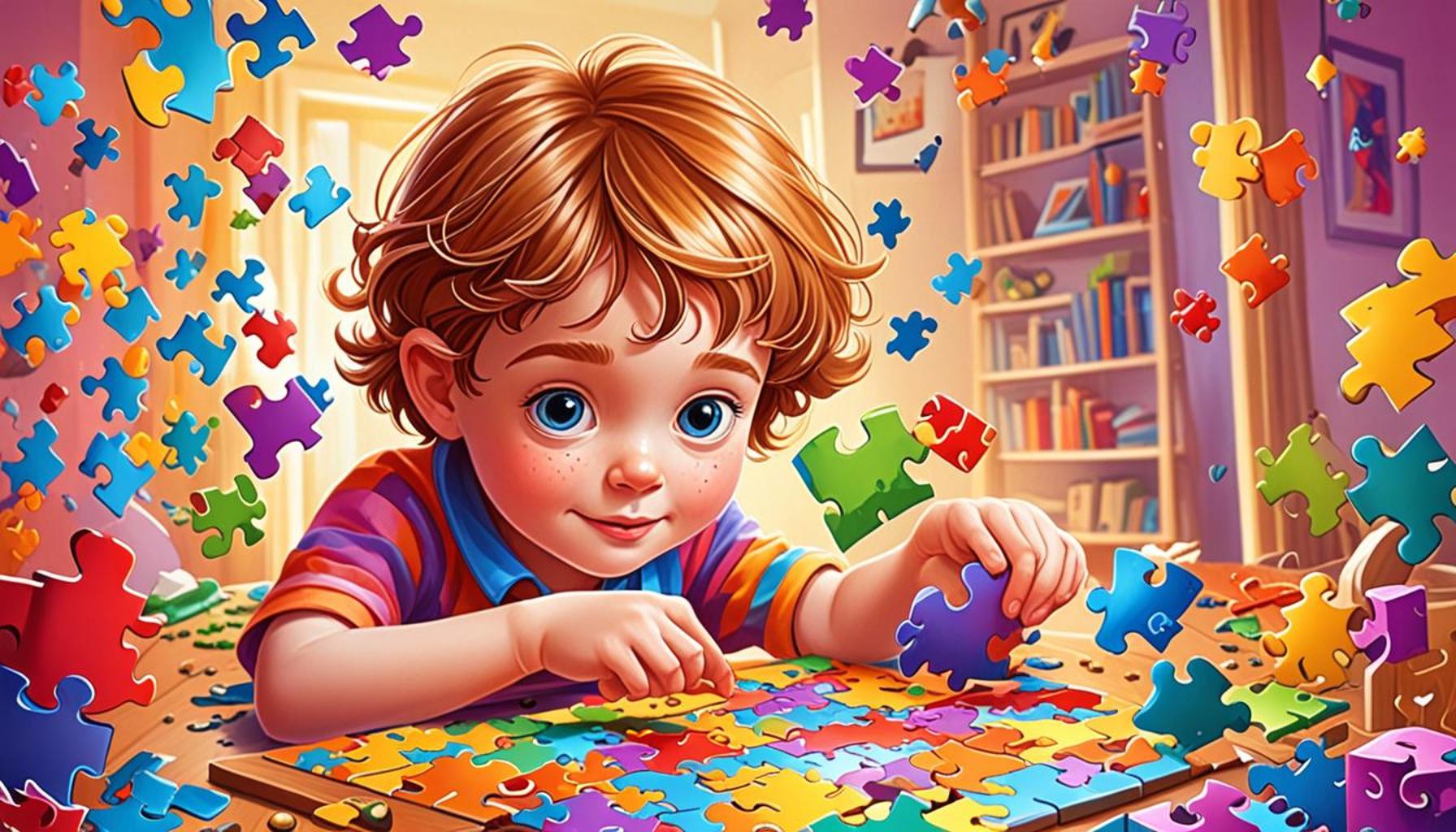
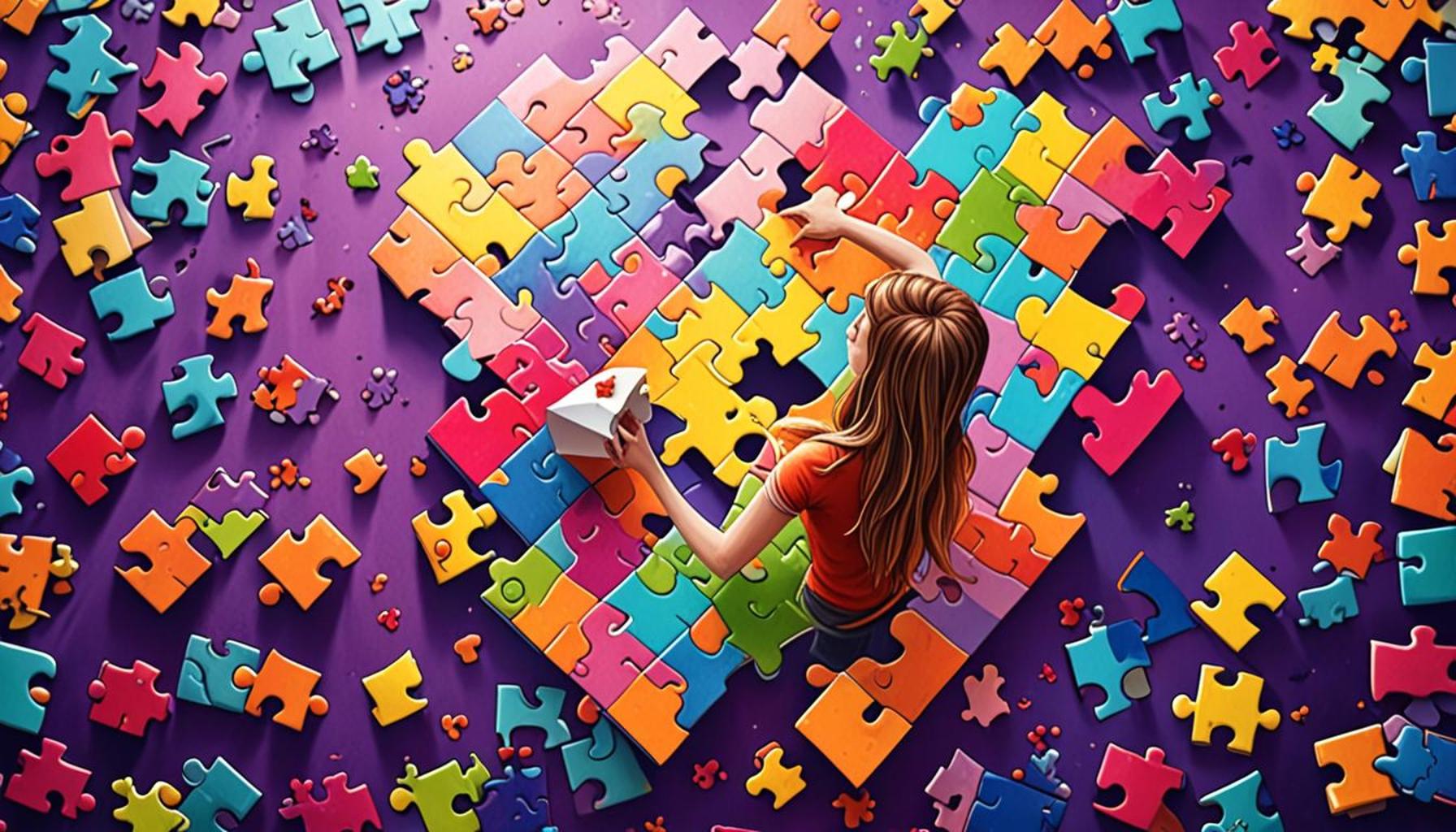
- Jigsaw Puzzles: These visually satisfying puzzles demand both spatial reasoning and the virtue of patience. They are commonly seen during family gatherings, where members collaborate to complete a vibrant picture, fostering teamwork and communication.
As more adults in Nigeria discover the myriad of mental advantages associated with puzzle challenges, it becomes evident that enhancing cognitive functions has never been more engaging. By immersing oneself in these stimulating activities, individuals can unlock remarkable potentials within their minds and discover the intricate joys that come from problem-solving. Dive into the world of puzzles today and experience firsthand the mental revitalization they can provide!
YOU MAY ALSO LIKE: Read read another article
Unlocking Creativity Through Problem-Solving
As numerous studies indicate, the act of solving puzzles is not merely a past-time; it is a powerful cognitive exercise that can lead to significant improvements in mental agility. For adults in Nigeria, where the vibrancy of life can sometimes overshadow the necessity for intellectual stimulation, embracing puzzle challenges can lead to a refreshing boost not just in mental capabilities, but also in creativity and emotional well-being.
Fostering Creativity
The process of approaching puzzles requires a blend of creativity and analytical thinking. When individuals engage in solving puzzles, they activate different parts of the brain, leading to enhanced creative thought. It is not uncommon for adults to find that their minds become more inventive and resourceful after spending time on a challenging Sudoku or a dynamic crossword puzzle. This heightened creativity can be particularly advantageous in professional environments where innovative problem-solving is essential.
Puzzles as Stress Relievers
Moreover, puzzles serve as excellent stress relievers. Many adults find that diving into a maze or selecting the right piece for a jigsaw provides a welcome escape from the pressures of day-to-day life. In Nigeria, where the hustle and bustle can be overwhelming, dedicating a few moments to puzzles can offer a serene respite. This not only helps in reducing anxiety levels but also contributes to a more balanced mental state. Engaging in a challenging puzzle fosters mindfulness—a state of focused relaxation that is hard to achieve in our fast-paced lifestyles.
Puzzle Evolution and Digital Integration
The rising tide of digital technology has revolutionized the way puzzles are consumed and challenged. With smartphone applications offering a plethora of puzzle games accessible at one’s fingertips, adults can conveniently integrate these cognitive workouts into their daily routines. For instance, a quick session of word games during a commuter bus ride can sharpen one’s mind while transforming a mundane wait into a productive break. This digital transition not only draws in a broader audience but also adapts classic puzzles to fit the needs of the tech-savvy Nigerian adult.
Social Interaction Through Puzzles
Additionally, many puzzles encourage social interaction, enhancing cognitive agility within group dynamics. Puzzle events and competitions are becoming more popular in urban areas, providing a platform for teamwork and communication. Whether it is participating in crossword competitions or collaborating on a community jigsaw puzzle, these social dimensions of puzzles not only enrich the experience but also facilitate learning from others. Engaging with peers can bring fresh perspectives and unique problem-solving strategies, vital for individual cognitive growth.
- Develops Analytical Thinking: Different types of puzzles require distinct approaches, allowing adults to refine critical thinking and logical reasoning.
- Boosts Adaptability: Regular engagement with various puzzle formats enables adults to quickly adjust their strategies in other life aspects, elevating cognitive flexibility.
- Encourages Lifelong Learning: Puzzles often necessitate the discovery of new facts, terms, or patterns, nurturing an attitude of curiosity even among seasoned adults.
As adults in Nigeria increasingly harness the cognitive benefits of puzzle challenges, it is imperative to recognize the multifaceted advantages that these engaging activities bring. The journey through puzzles is not just about solving; it is about unlocking potential and uncovering layers of mental agility that can invigorate one’s daily life.
Puzzle Challenges: Unlocking Mental Agility in Adults
Puzzle challenges have garnered significant attention as effective tools for enhancing mental agility in adults. Engaging in activities such as crosswords, Sudoku, and logic puzzles not only provides entertainment but also stimulates cognitive functions. Adults who consistently tackle these challenges can experience a range of cognitive benefits, from improved problem-solving skills to enhanced memory retention. The focus required in solving intricate puzzles can lead to heightened concentration and sustained attention, essential components of mental flexibility.
| Category | Key Features |
|---|---|
| Cognitive Enhancement | Puzzles challenge the mind, fostering quicker thinking and reasoning. |
| Stress Relief | Engaging in puzzle activities can reduce stress levels by promoting relaxation. |
Continual exposure to such mental exercises cultivates a proactive approach to cognitive health. For adults seeking to maintain their brain’s youthful vitality, incorporating puzzle challenges into their daily routines could provide a rewarding cognitive workout. Furthermore, social engagement through group puzzle activities can enhance interpersonal skills, merging mental exercise with enjoyable interactions. This blend of mental agility and social dynamics proves to be particularly beneficial as one navigates the complexities of adulthood.
Ultimately, the world of puzzle challenges is vast and varied, offering numerous avenues for growth and mental stimulation. As adults delve into the realm of puzzles, they not only improve their cognitive capacities but also unlock new perspectives and innovative problem-solving strategies.
RECOMMENDED: Check out this similar article
The Role of Puzzles in Cognitive Development
Engaging in puzzle challenges not only entertains but also plays a crucial role in cognitive development among adults. As individuals age, maintaining cognitive sharpness becomes increasingly vital, not only for preserving memory but also for enhancing decision-making skills and mental resilience. Puzzles afford adults the opportunity to work their brains in various ways, making them an essential tool for sustaining cognitive health.
Cognitive Flexibility and Problem Resolution
Puzzles demand a level of cognitive flexibility, enabling adults to shift their thinking and adapt to new information. This quality is especially significant for professionals who often face unexpected challenges at work. For example, solving a logic puzzle requires not just finding a solution but considering multiple possibilities and pathways, honing the ability to pivot when obstacles arise. Research has shown that regularly engaging with puzzles can lead to improved problem-solving abilities, as it allows individuals to practice handling different scenarios and finding innovative solutions.
The Neuroscientific Perspective
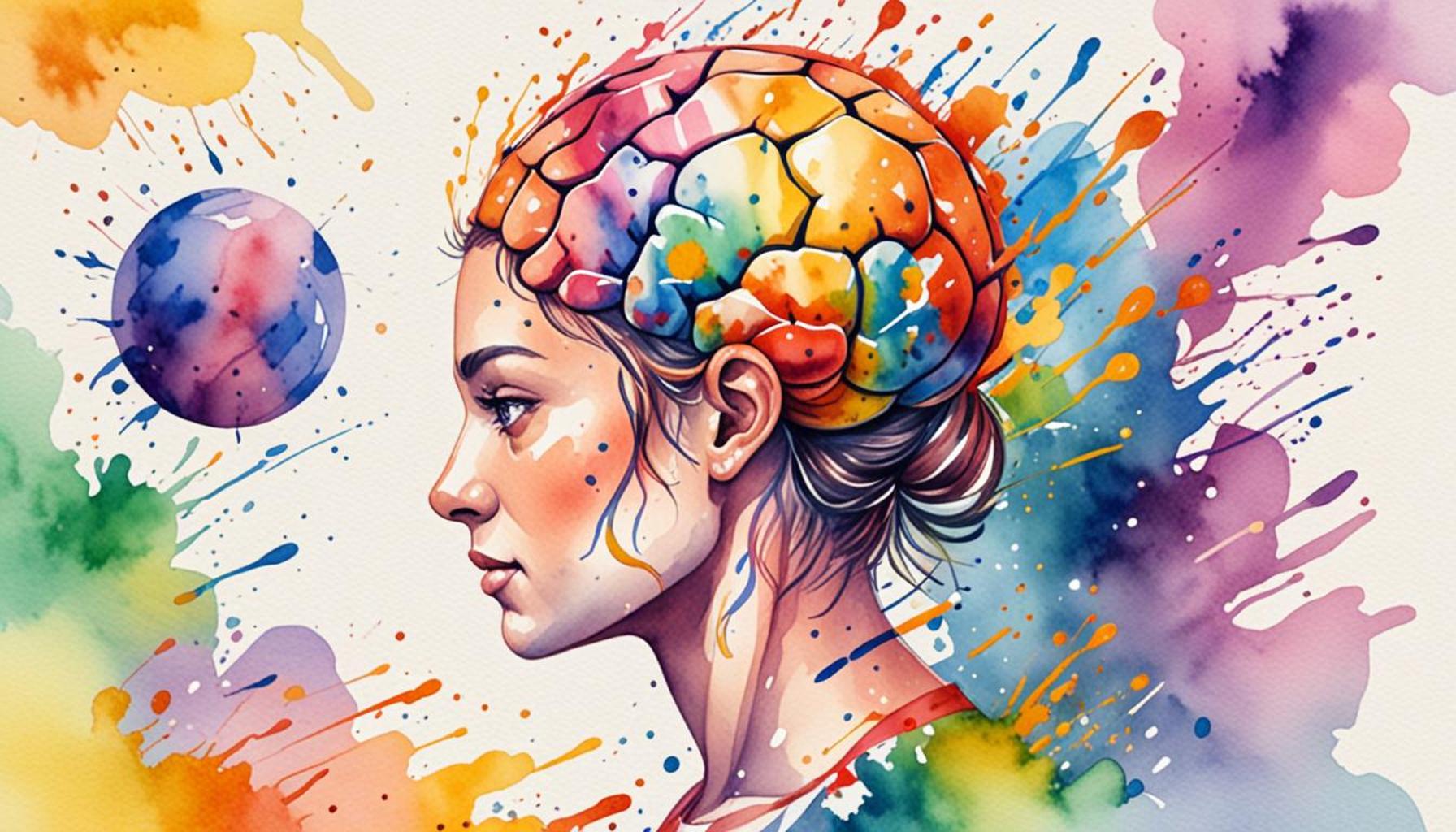
From a neuroscientific standpoint, the benefits of puzzles can be attributed to their ability to engage various regions of the brain. An increased interest in brain games has led to numerous studies illustrating how challenging our minds through puzzles can create new neural pathways. For adults in Nigeria, this understanding can encourage the incorporation of brain games into their daily routines, as activating different areas of the brain may result in improved cognitive performance and longevity. These developments are essential, especially in combating age-related cognitive decline.
Community Engagement and Cognitive Growth
Communal puzzle-solving activities also play a fundamental role in cognitive growth. Nearly every Nigerian community has a group of puzzle enthusiasts; local gatherings devoted to trivia, chess, or even classic Nigerian games like Ayo can foster social bonds while encouraging collective brainwork. Participation in such activities not only encourages healthy competition but also reinforces collective problem-solving skills. The interaction with fellow participants can introduce new strategies and techniques that enhance overall mental agility, making it a rewarding experience both intellectually and socially.
- Enhances Memory Recall: Regular engagement with puzzles helps in enhancing memory retention, thus supporting adults in recalling information more effectively in their personal and professional lives.
- Promotes Strategic Thinking: Many puzzles require a discernible strategy for successful completion, which directly engages an adult’s capacity for planning and executing multifaceted approaches to problem-solving.
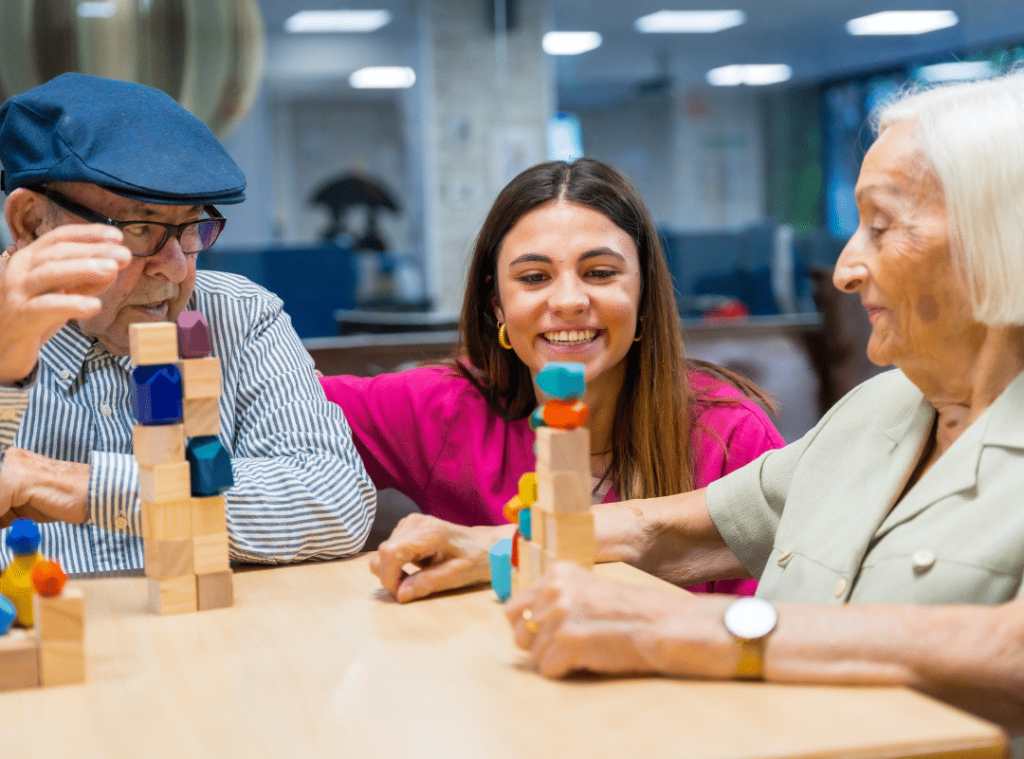
- Bridges Age Gaps: Puzzles can serve as intergenerational tools, allowing younger and older participants to collaborate, share insights, and learn from one another, creating a tapestry of shared knowledge and strategic exchange.
As more adults in Nigeria awaken to the cognitive benefits associated with puzzle challenges, they can cultivate an environment where mental engagement thrives. By participating in puzzles, individuals can stimulate their minds, foster community connections, and pave the way for lifelong cognitive development.
RECOMMENDED: Check out this similar article
Conclusion: Unlocking the Power of Puzzles for Cognitive Fitness
In conclusion, the journey into puzzle challenges reveals a wealth of cognitive benefits for adults, emphasizing that mental agility is not just a youthful trait but a lifelong pursuit. The intricate dance of problem-solving involved in puzzles stimulates various regions of the brain, fostering not only cognitive flexibility but also enhancing memory and strategic thinking. As evidenced by numerous studies, engaging regularly with puzzles can lead to significant improvements in overall cognitive health, which is particularly crucial as age-related decline becomes a reality for many adults.
Furthermore, the social aspect of puzzle-solving within Nigerian communities presents another layer of enrichment. Gathering to tackle challenges collectively not only strengthens social bonds but also enriches personal learning experiences. This community engagement can bridge generation gaps, allowing the exchange of wisdom and strategies that benefit all ages. With the right approach, puzzles can become an integral part of daily routines—making mental exercise both fun and rewarding.
Therefore, as adults in Nigeria and beyond seek ways to enhance their cognitive sharpness, embracing puzzle challenges offers a potent solution. The power of puzzles extends beyond mere entertainment; it is an avenue for fostering lifelong mental agility and cultivating connections that strengthen both the mind and community. By inspiring curiosity and creativity through puzzles, individuals can not only maintain but thrive in their cognitive capabilities, setting the stage for a richer and more engaging life experience.