Developing Cognitive Skills Through Board Games: An Analysis of Strategies and Challenges
The Transformative Power of Board Games
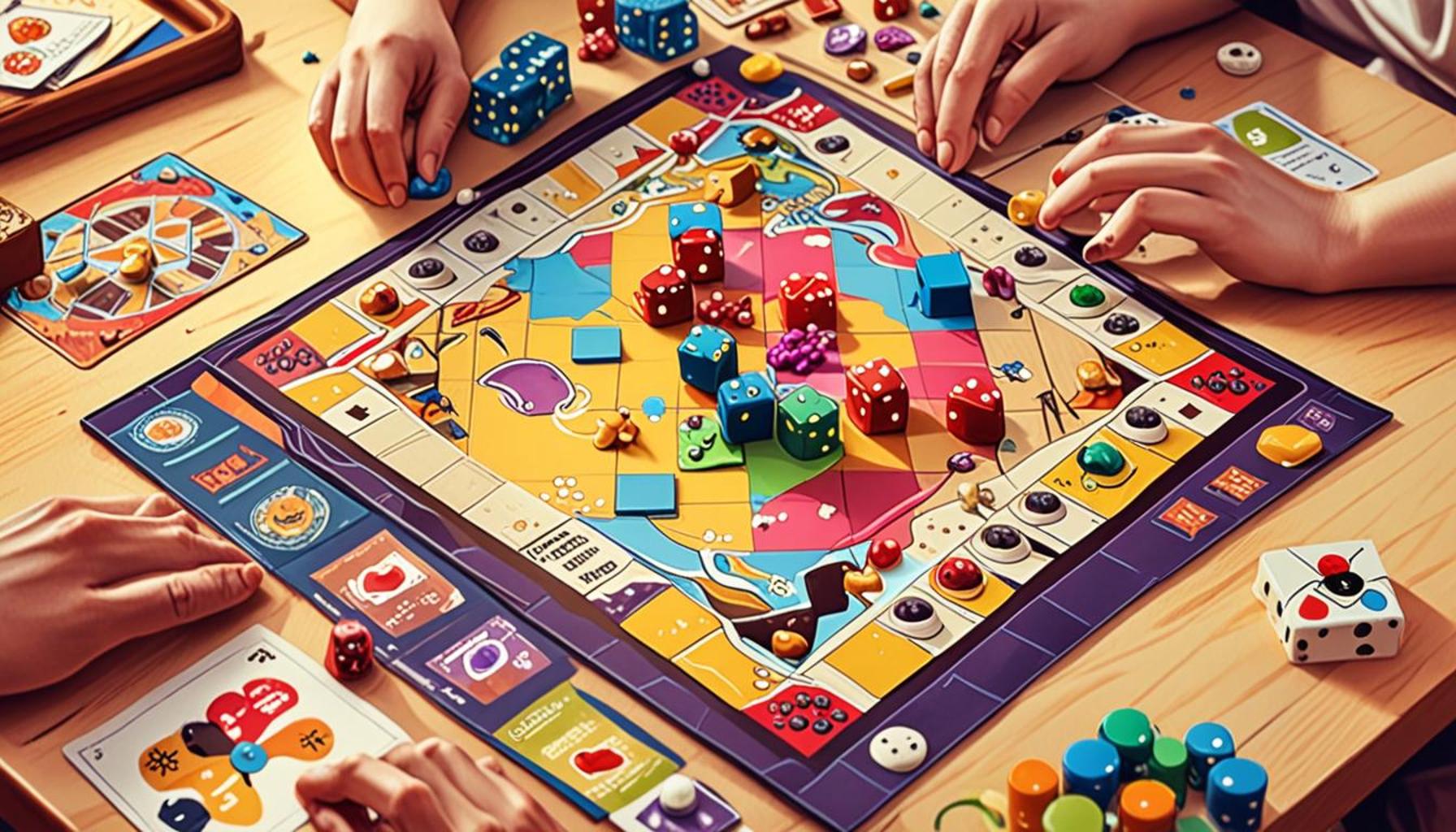
Board games have long been a source of entertainment, but their potential extends far beyond mere fun. In an age where cognitive skills are paramount for success, these games serve as a powerful tool for developing critical thinking, problem-solving abilities, and social interaction. Research has shown that engaging with such games can stimulate brain function, enhance memory, and even improve emotional well-being.
In Nigeria, where communities thrive on rich cultural interactions, board games like Ludu, Draft, and Oware play a pivotal role in education and social bonding. For generations, these games have been more than just pastimes; they are platforms through which valuable life skills are nurtured. The engaging nature of these activities offers enjoyment while simultaneously enhancing vital cognitive skills through:
- Strategic Thinking: Players learn to plan several moves ahead, contemplating the consequences of each action. For example, in Ludu, choosing when to block opponents or when to advance strategically can mean the difference between victory and defeat. This thought process translates into real-world scenarios where strategic decision-making is essential.
- Memory Recall: As players remember rules, strategies, and the positions of their tokens, they sharpen their mental faculties. Over time, this enhances their overall memory skills, making them better learners, whether in school or in life.
- Collaboration: Engaging with others fosters teamwork and negotiation skills. In many Nigerian families, playing Draft or Oware is a communal event that requires communication and compromise—skills that are crucial in both personal and professional settings.
- Adaptability: Players must adjust tactics based on opponents’ moves, teaching them to think on their feet. In an ever-changing environment, adaptability is necessary to navigate challenges effectively.
However, despite their benefits, numerous challenges arise in leveraging board games effectively for skill development. Factors such as access to games, cultural appreciation, and understanding of game mechanics can hinder their educational use. In many urban settings in Nigeria, while people are familiar with these classic games, new board games that promote advanced cognitive skills may be less accessible. This situation creates an opportunity for local entrepreneurs to develop affordable games that blend traditional practices with contemporary educational principles.
Ultimately, exploring these strategies and challenges can reveal how best to harness the cognitive benefits of board games in Nigerian contexts. By creating awareness, fostering community events around these games, and integrating them into educational curricula, local communities can unlock the potential of board games as tools for growth and development. For parents, educators, and policymakers alike, this approach highlights an innovative avenue for enhancing cognitive and social skills in the next generation.

RECOMMENDED: Check out this similar article
Unlocking Cognitive Development Through Play
Board games serve as a valuable educational resource that can significantly enhance cognitive skills, but understanding how to utilize them effectively is key. To navigate this landscape, it is important to consider both the strategies that can foster cognitive development and the challenges that may hinder such progress. By analyzing these elements, we can better appreciate the dual role of board games as both entertainment and tools for mental growth.
One of the primary strategies in leveraging board games for cognitive skill development lies in their inherent structured nature. Games are designed to have rules, objectives, and varying levels of complexity, providing a structured environment where players can experiment with strategies and routines. For instance, while playing Oware—an ancient African game of strategy and skill—participants must not only understand the rules but also adapt their strategies based on the game flow. This not only requires acute analytical thinking but also promotes foresight as players must assess potential future scenarios based on current moves.
Furthermore, the social aspect of board games cannot be understated. Engaging others in friendly competition strengthens cognitive development by encouraging communication and collaborative problem-solving. Games like Draft demand not only individual strategy but also the ability to negotiate and form alliances. These negotiation skills have direct applications, whether in professional environments or interpersonal relationships. Research shows that cognitive skills enhanced through social engagement are retained longer, making board games an effective educational tool for both children and adults.
Another essential strategy involves the use of feedback loops. During gameplay, players receive immediate feedback on their decisions, allowing them to adjust their strategies in real time. This aspect promotes resilience and critical thinking, as players must reflect on their choices and outcomes continually. Studies indicate that this form of active learning can lead to deeper cognitive processing and retention of complex concepts.
Despite the numerous advantages, challenges persist in harnessing the full potential of board games for cognitive development. One of the significant barriers is accessibility. Not every community has the resources to obtain a variety of board games, which may limit opportunities for children and families to engage in this cognitive-rich environment. Additionally, many parents and educators may not be aware of the cognitive benefits associated with these games and thus overlook their potential in learning contexts.
Moreover, the cultural perceptions of board games are evolving, and some may still view them merely as leisure activities rather than valuable educational tools. Introducing local versions of educational games can promote cultural appreciation while offering the cognitive benefits that modern games provide. For example, creating versions of popular games that incorporate mathematical or literacy challenges can make learning more appealing.
In conclusion, while the transformative effects of board games on cognitive skills are clear, strategic efforts must be made to address accessibility and cultural perceptions. By fostering community awareness and integrating these games into educational frameworks, the benefits of board games can be maximized, paving the way for cognitive skill enhancement in Nigerian contexts.
Strategies for Enhancing Cognitive Skills through Board Games
Board games are not just a platform for entertainment; they serve as a dynamic medium for developing cognitive skills across various age groups. When introducing board games into educational settings or family game nights, there are specific strategies to maximize their cognitive benefits.
1. Game Selection
The type of board game selected plays a crucial role in skill development. Games like chess, settlers of Catan, and Scrabble can enhance strategic thinking, problem-solving, and language abilities. Choosing games that align with the intended cognitive skills can amplify the benefits and maintain high engagement levels.
2. Structured Play Sessions
Designing structured play sessions that encourage discussion and exploration of strategies can be fruitful. Allowing participants to verbalize their thought processes fosters critical thinking and reflective learning. This strategy involves asking open-ended questions during gameplay to stimulate deeper analysis and consideration of various outcomes.
3. Reflection and Analysis
Post-game discussions about the strategies used and decisions made can further enhance cognitive skills. Analyzing what worked and what didn’t fosters a growth mindset, encouraging players to learn from their experiences. This reflective practice is particularly effective when paired with coaching or guidance from more experienced players.
4. Incorporating Challenges
Introducing new challenges or modifying existing game rules can make the experience more intellectually stimulating. This approach not only keeps the game fresh but also forces players to adapt their strategies, thereby enhancing flexibility and creativity in thinking.
Challenges in Implementing Board Game Strategies
Despite their benefits, employing board games as cognitive development tools comes with challenges. Accessibility to diverse game options, varying levels of interest and engagement among players, and understanding the wide array of cognitive skills targeted can pose hurdles. Moreover, not all participants may possess the same level of experience or familiarity with certain games, leading to imbalances that could affect learning outcomes.
Nevertheless, adapting methods to counteract these challenges—such as mixed-ability teams or providing instructions and tutorials—can lead to a rewarding experience. The journey to develop cognitive skills through board games is filled with complexities, but the rewards are undeniable. Discovering how to navigate these waters not only enriches individual cognitive abilities but also enhances social interactions and teamwork.
| Category | Benefits |
|---|---|
| Cognitive Skills Improvement | Enhances critical thinking and problem-solving abilities. |
| Social Skills Development | Promotes teamwork, communication, and emotional intelligence. |
Exploring these advantages not only serves to inform readers but also encourages them to consider the vast potential of board games in developing cognitive skills. The journey into board games is just beginning; there is so much more to uncover.
SEE ALSO: Click here to read another article
Creating an Engaging Learning Environment
A vital aspect of using board games to develop cognitive skills revolves around creating an engaging learning environment. This means not only providing access to a diverse assortment of games but also ensuring that the space in which the games are played fosters openness, encouragement, and enthusiasm. In Nigerian settings, community centers, schools, and even local markets can serve as ideal venues for bringing individuals together to engage in board games. Utilizing these spaces helps create a communal atmosphere that enhances motivation and reinforces social bonds while providing a rich tapestry for cognitive growth.
Incorporating board games into curricular activities can enhance educational outcomes across various subjects. For instance, integrating games like Scrabble or Crosswords in English classes can sharpen vocabulary and spelling skills while also igniting a passion for language among students. In addition, games centered on math, like Sumoku, enable students to solve numerical problems while collaborating with peers. The competitive yet friendly nature inherent in these games encourages students to persist through challenges and develop a resilient mindset.
Another strategy lies in utilizing games to cultivate critical life skills. Board games often incorporate elements of chance, requiring players to think quickly and adapt their strategies as the game progresses. For example, playing games such as Ludo or Monopoly can enhance decision-making capabilities as players learn to assess risks and predict potential outcomes. This type of skill set is not only applicable in strategic game-play but also extends to real-life scenarios—be it in academics or personal life, where decision-making often hinges on weighing risks against rewards.
Moreover, board games provide an avenue for enhancing emotional intelligence. Players frequently navigate social dynamics, learning to read their opponents’ emotions and reactions during gameplay. This is especially evident in games like Werewolf, where deception and alliance play pivotal roles. Engaging with others in such settings allows participants, especially children, to develop empathy and recognize social cues, which are crucial tools in fostering interpersonal relationships.
The Digital Shift: Board Games Go Online
As technology continues to integrate into both entertainment and education, the rise of digital board games offers a new frontier for cognitive development. These online adaptations retain the essence of traditional board games while allowing for broader accessibility and innovative gameplay mechanics that can intrigue players of all ages. For example, platforms like Tabletop Simulator and Board Game Arena present opportunities for both local and global interactions, thus broadening the community of players while preserving the cognitive stimulation inherent in traditional formats.
However, with the digital shift also comes the careful consideration of potential distractions and over-reliance on screens. While digital board games can offer extensive flexibility and convenience, it is imperative to maintain a balance between physical and digital play. The tactile experience of traditional board games is undeniable; the interaction of pieces, the sound of dice rolling, and the social presence of fellow players foster distinct cognitive connections that are challenging to replicate in a digital realm.
As we delve deeper into the multifaceted world of board games for cognitive development, it becomes clear that strategic implementation and community involvement are crucial for achieving maximum effectiveness. Understanding the unique opportunities presented by both traditional and digital formats invites educators and parents alike to embrace board games as compelling tools for fostering critical cognitive skills, thereby unlocking the potential for enriched learning experiences across Nigeria.
LEARN MORE: This related article may interest you
Conclusion
In conclusion, the exploration of board games as a medium for developing cognitive skills underscores their multifaceted benefits in both traditional and modern contexts. By engaging learners in strategic gameplay, board games not only enhance critical thinking and problem-solving abilities but also foster invaluable social interaction and emotional intelligence. The dynamic nature of these games promotes resilience and adaptability, crucial traits for navigating today’s ever-changing challenges.
Furthermore, the integration of board games into educational frameworks provides an academic enhancement that bridges learning with play. The incorporation of various games across subjects such as language and mathematics opens new avenues for creativity and collaboration in classrooms and community settings across Nigeria. Likewise, as digital adaptations emerge, they expand accessibility, creating inclusive platforms where learners can engage globally, albeit with a mindfulness toward balance with traditional experiences.
However, the journey of utilizing board games as potent educational tools does not come without challenges. Stakeholders must remain vigilant to address potential distractions from digital media, ensuring that the enriching tactile and interpersonal aspects of face-to-face gaming experiences are preserved.
Ultimately, board games represent a unique intersection between entertainment and education, harnessing their collective potential to awaken and sharpen cognitive skills in players of all ages. Embracing this approach can pave the way for an enriching, communal learning journey that not only prepares individuals for academic success but also enriches their lives with lasting social connections and life skills. As interest in board games continues to grow, their role in shaping insightful and adept future generations cannot be underestimated.