Puzzles and Decisions: Using Puzzles to Enhance Critical and Strategic Thinking
The Multifaceted Benefits of Puzzles
Puzzles are not merely a form of amusement; they are powerful tools that can significantly enhance one’s cognitive abilities and problem-solving skills. In a dynamic society like Nigeria, where rapid decision-making is crucial, engaging with puzzles can be instrumental in developing a sharper mind capable of analyzing intricate scenarios.
Consider the tangible benefits of weaving puzzles into your daily life:
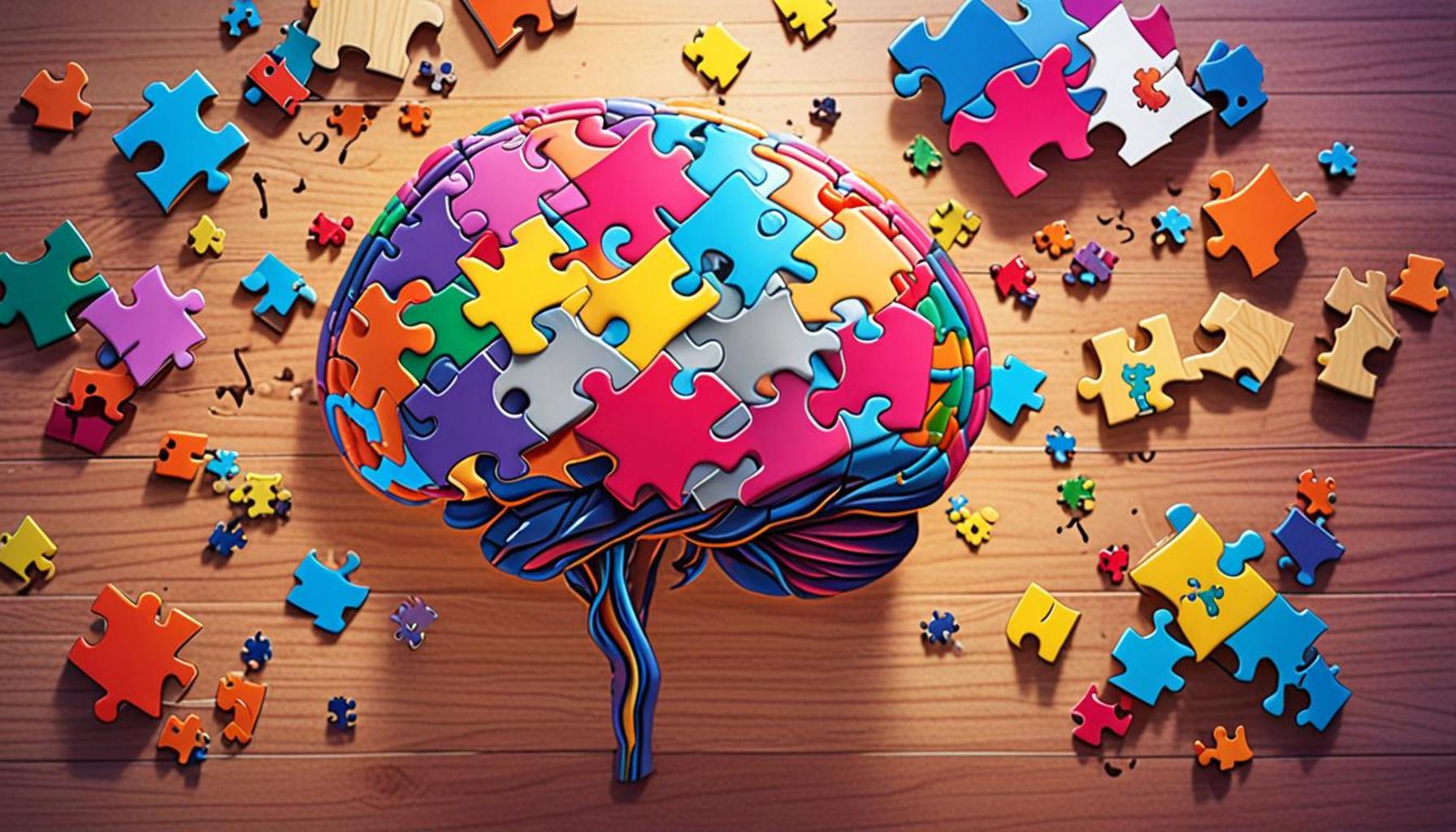
- Improved analytical skills: The process of solving puzzles involves deep reasoning and the ability to identify patterns. For instance, jigsaw puzzles require you to assess colors, shapes, and edges to piece together a cohesive whole, enhancing your ability to dissect information critically.
- Enhanced creativity: Engaging with different types of puzzles, such as Sudoku or logic riddles, prompts you to think outside the box. Creative thinking is pivotal in every field, whether you’re in business developing innovative strategies or an artist looking for inspiration.
- Increased focus: When working on complex puzzles, your capacity to concentrate improves. This heightened focus can carry over into other areas of your life, such as academics or career, where paying attention to detail can yield significant benefits.
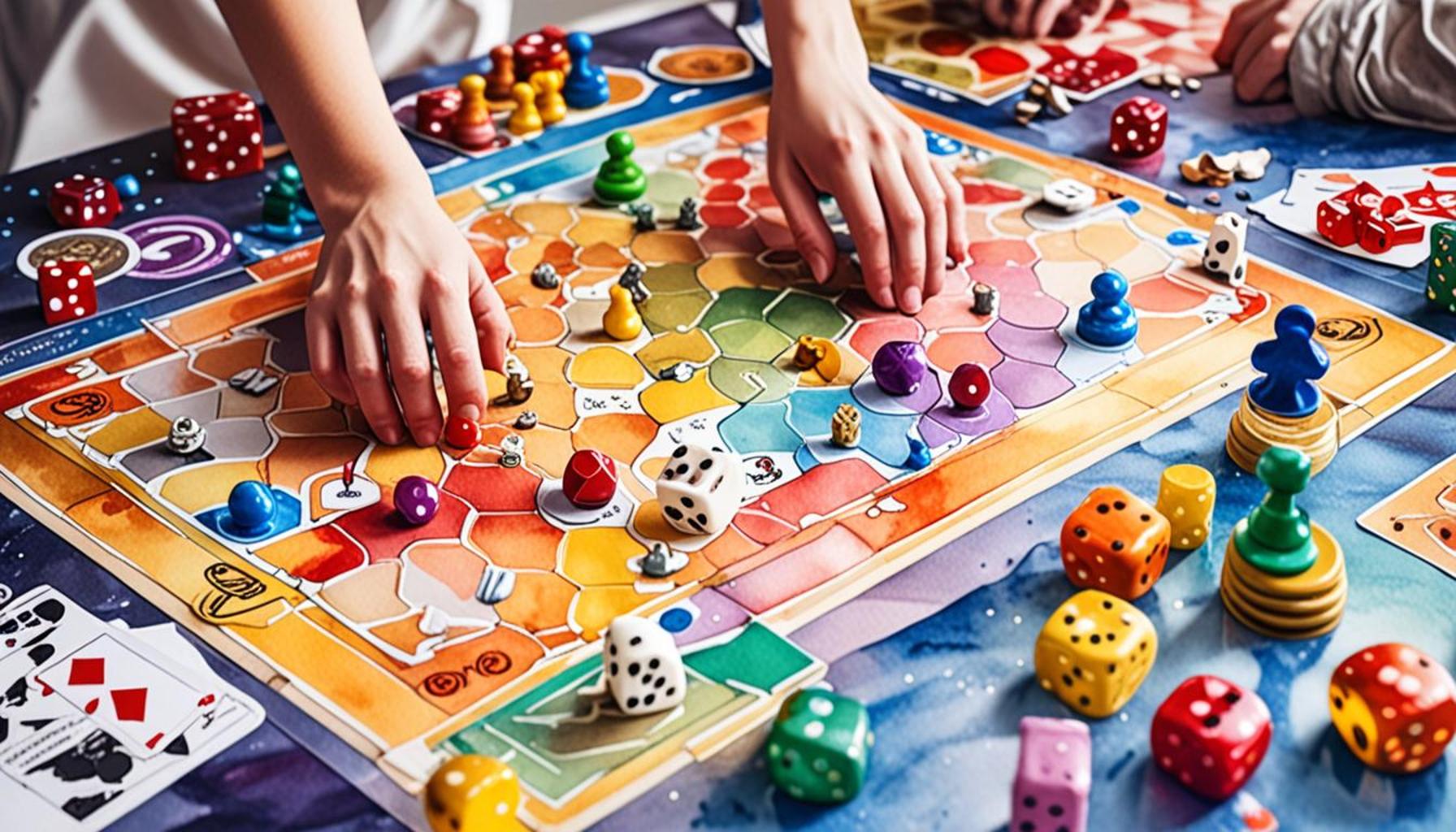
In Nigeria, where communal activities are cherished, integrating puzzles into social gatherings can foster both learning and enjoyment. Traditional games like *damas* (checkers) or *okwe* (a local board game) can be enhanced with brain teasers, providing a dual benefit of entertainment and intellectual stimulation. These gatherings can serve as platforms for constructive dialogue and collaborative efforts, bringing together diverse skills and viewpoints.
Furthermore, studies suggest that regular puzzle-solving can contribute to long-term cognitive health. Research indicates that keeping the brain engaged with challenging activities can reduce the risk of cognitive decline as one ages. Though familiar games may be an excellent starting point, exploring new puzzles like crosswords or online escape rooms can expand horizons and introduce varied challenges.
As we peel back the layers of how puzzles can reshape your decision-making process, it becomes evident that their inclusion in your routine is invaluable. From enhancing your critical skills to facilitating social interactions, puzzles offer pathways to make better choices and achieve desired outcomes. Stay with us as we uncover practical strategies for integrating puzzles seamlessly into your personal and professional life, unlocking a world of possibilities.
SEE ALSO: Click here to read another article
Unlocking the Mind: The Cognitive Framework of Puzzles
Puzzles serve as a robust framework for enhancing critical and strategic thinking, making them indispensable in today’s fast-paced environment. In Nigeria, where strategic planning can influence major business decisions and governmental policies, harnessing the cognitive benefits of puzzles can propel individuals to new heights of analytical prowess. Engaging with puzzles challenges the brain to operate at a higher level, fostering an environment conducive to innovative decision-making.
A significant aspect of puzzles lies in their ability to promote strategic thinking. When faced with a complex puzzle, such as a Rubik’s Cube or a challenging chess scenario, the solver must consider multiple variables and potential outcomes. This mirrors real-world situations where we must weigh the consequences of our choices against available resources and time constraints. By systematically decomposing these challenges, individuals develop a mindset attuned to evaluating core factors and making informed decisions swiftly.
To further illustrate the cognitive benefits of puzzles, consider the following attributes:
- Critical thinking enhancement: Engaging with intricate puzzles requires the identification of underlying patterns and logical deductions. This skill directly translates to daily challenges, enabling individuals to critically evaluate options and their repercussions in business or personal life.
- Problem-solving flexibility: Different puzzles demand different approaches. As solvers adapt their strategies, they become more versatile in their problem-solving capabilities, learning to pivot when faced with unexpected setbacks. This adaptability is crucial in Nigeria’s rapidly changing economic landscape.
- Team collaboration: Many puzzle formats can be adapted for group challenges. Team-based puzzles encourage cooperation, communication, and collective strategizing, essential traits for teams working in competitive environments.
The versatility of puzzles extends to various contexts, from casual gatherings to formal training sessions. For instance, consider the use of puzzles in corporate workshops aiming to develop team dynamics. By including activities that require collaborative problem-solving, organizations foster an atmosphere of synergy and innovation. Participants are not only engaged in fun activities but are also unknowingly honing their strategic thinking skills that will aid in effective decision-making within their roles.
Furthermore, the adaptability of puzzles makes them ideal tools for education. Within Nigerian schools, incorporating puzzles into the curriculum can enhance curriculum engagement and retention of concepts. Subjects like mathematics and sciences can be taught through puzzle-based learning, encouraging students to analyze problems critically and implement strategies for solving them. This integrative approach can cultivate a new generation of thinkers equipped with the skills necessary for navigating the complexities of modern-day challenges.
As we delve deeper into the intricacies of puzzles and their multifaceted benefits, it becomes clear that embracing these engaging tools can significantly reshape how we think and decide. Puzzles do not merely entertain; they empower minds to develop a strategic lens through which to view challenges and opportunities.
| Category | Description |
|---|---|
| Cognitive Development | Puzzles stimulate problem-solving skills, fostering critical thinking through challenging tasks. |
| Team Collaboration | Engaging in puzzles promotes teamwork, essential for developing strategic thinking and collaboration. |
Puzzles are not merely for entertainment; they serve as powerful tools in enhancing our cognitive capabilities. By tackling puzzles, individuals are encouraged to delve into analysis and evaluation, enabling them to dissect problems and devise effective strategies. This engagement prepares individuals for real-life situations that require quick and decisive thinking, essential in today’s fast-paced world.Additionally, when puzzles are approached in a collaborative setting, they foster an environment of shared responsibility and collective problem-solving. Teams that work together on puzzles can learn to appreciate diverse perspectives, enriching their strategic viewpoints. This collaborative effort not only nurtures innovation but also enhances communication skills critical for effective teamwork.For organizations aiming to incorporate these activities, the benefits extend beyond just cognitive enhancement; puzzles can also improve workplace morale and promote a culture of learning and growth. As such, they are invaluable for both personal and professional development. Through interactive challenges, individuals can hone their abilities while effectively preparing for complex decision-making scenarios.
YOU MAY ALSO LIKE: Read read another article
From Strategy to Application: The Real-World Impact of Puzzles
Building on the cognitive benefits that puzzles offer, we now explore their practical applications in fostering critical and strategic thinking within various sectors. Numerous organizations across Nigeria are beginning to recognize the potential of puzzles as effective tools for promoting decision-making capabilities. This realization is far from coincidental; it is rooted in studies highlighting the substantial link between problem-solving games and enhanced workplace productivity.
Consider the ever-growing tech industry in Nigeria, where innovation hinges on quick, strategic thinking. Companies are increasingly integrating puzzles into their employee training programs to stimulate cognitive flexibility. For example, a software development firm might use coding puzzles to encourage developers to think outside conventional patterns, ultimately leading to more efficient coding solutions. This creativity is essential in a field where technological advancements rapidly evolve, demanding workers who can think critically and adapt quickly.
Moreover, as Nigeria’s economic landscape continues to shift, entrepreneurs are finding value in puzzle-solving as a means to sharpen their decision-making. Engaging with puzzles enables aspiring business owners to envision various scenarios and strategize accordingly. For instance, launching a new product requires evaluating market trends, consumer behavior, and resource allocation—elements that, much like a puzzle, require synthesis and analysis of disparate pieces of information.
- Risk assessment: Puzzles encourage players to take calculated risks without real-world repercussions. Businesses can simulate market challenges through strategic games, allowing entrepreneurs to weigh different outcomes before committing resources.
- Time management skills: Working against a timer in a puzzle setting mimics the pressures of deadlines in the professional world. With practice, individuals develop the ability to prioritize tasks effectively, a critical component of successful project management.
- Innovation and creativity: Puzzles often have multiple solutions, encouraging individuals to think creatively and explore unconventional paths. This mindset is vital in industries where innovation is the key to staying competitive.
In addition to the corporate sector, educational establishments are exploring the benefits of puzzles to transform learning environments. Schools in Nigeria, from primary to tertiary education, are incorporating puzzle-solving activities into their curricula. For instance, mathematics teachers are using logic puzzles to teach concepts such as probability and algebra. By encouraging students to tackle problems hands-on, they create a connection between theoretical knowledge and practical application, fostering a deeper understanding.
Moreover, extracurricular activities centered around puzzles can enhance collaboration among students. Debate clubs or strategy-based competitions cultivate a spirit of teamwork and communication, preparing students for future collaborative work environments. Schools increasingly recognize the essential skills students glean from these experiences—skills that can propel them ahead in a competitive job market.
The implications of enhanced critical and strategic thinking skills extend beyond mere academic achievement or corporate success; they have potential socio-economic ramifications. As the Nigerian workforce evolves, fostering these skills among youth and professionals equips them to face emerging challenges head-on, ultimately contributing to national development.
The interplay between puzzles and decision-making cannot be understated. As Nigeria ventures into a future marked by uncertainty and opportunity, leveraging puzzles as tools for cognitive growth should be embraced. They not only bridge gaps in knowledge and experience but also shape decision-makers capable of steering organizations and communities toward success.
YOU MAY ALSO LIKE: Read read another article
Conclusion: Unlocking Potential through Puzzles
In conclusion, the integration of puzzles into various aspects of Nigerian society—from corporate environments to educational settings—demonstrates their significant impact on enhancing critical and strategic thinking skills. As the complexities of decision-making continue to evolve, leveraging the engaging nature of puzzles serves as a practical solution for equipping individuals with necessary cognitive tools. By fostering skills such as risk assessment, time management, and innovation, puzzles provide a unique opportunity for participants to navigate real-world challenges with confidence.
The evidence is mounting; organizations that incorporate puzzle-solving methodologies observe not only increased productivity but also a more agile workforce prepared to tackle unforeseen obstacles. Furthermore, as educational institutions recognize the value of hands-on learning through puzzles, students are being nurtured into proactive thinkers, capable of adapting their knowledge to dynamic environments.
The implications of this cognitive training extend beyond personal or organizational benefits; they play a crucial role in shaping a resilient and competitive workforce that can significantly contribute to Nigeria’s economic growth. By embracing puzzles as viable tools for growth and development, we are not merely solving problems but also unlocking the full potential of our decision-makers.
As Nigeria stands at the crossroads of opportunity and challenge, the ongoing exploration of puzzles as a strategy for cognitive enhancement is not just innovative, but essential. As we progress into a future driven by uncertainty, the ability to think critically and make informed decisions will become the cornerstone of success for individuals and organizations alike.