How reasoning games develop mental agility in children
Unlocking Potential Through Play
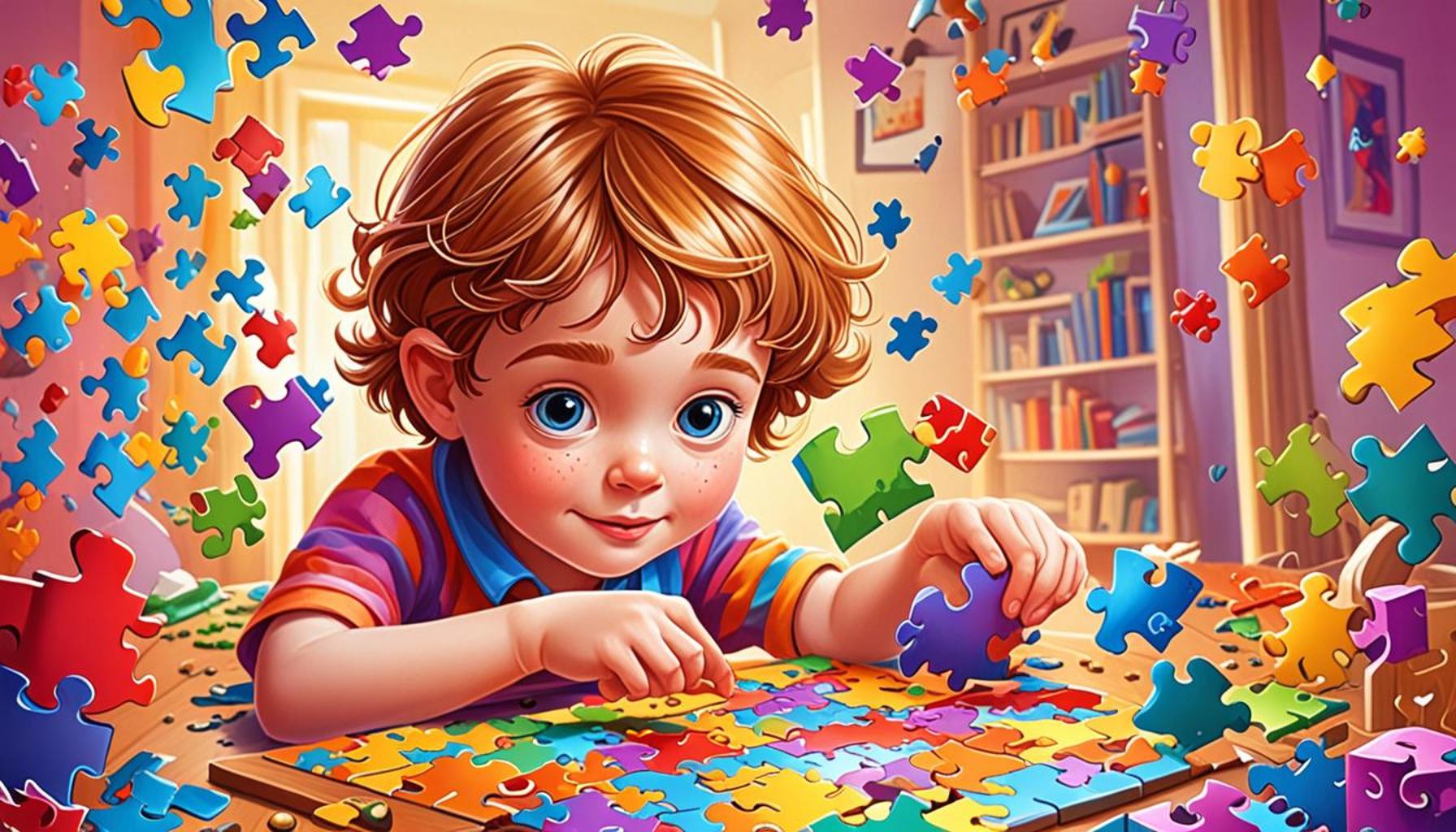
Children possess an incredible capacity to learn, and reasoning games provide a dynamic avenue for this growth. As these games stimulate cognitive abilities, they lay the groundwork for improved problem-solving skills and critical thinking. Engaging in such activities not only entertains but also hones the essential mental faculties needed for academic success and everyday life.
The Benefits of Reasoning Games
Reasoning games offer a multitude of benefits that are crucial for a child’s development:
- Enhances critical thinking: Children learn to approach problems logically. They begin to analyze challenges systematically, making informed decisions that reflect a broader understanding of cause and effect.
- Improves memory: Many games require recalling rules or sequences. This replaying of strategies not only solidifies memory retention but also encourages children to navigate information efficiently.
- Boosts creativity: Players often need to think outside the box to find solutions. This freedom to explore unconventional ideas fosters an environment where imaginative thinking thrives.
In Nigeria, traditional games such as ayo and ludu not only entertain but also serve as important tools for nurturing strategic thinking. For instance, in a game of ayo, players must anticipate their opponent’s moves while crafting their own strategies, emphasizing foresight and adaptability. Such interactions develop critical reasoning skills essential for tackling real-life problems.
Moreover, playing these culturally significant games provides an opportunity for children to engage with their heritage, blending fun with educational experiences. This dual benefit contributes to building a strong sense of identity while enhancing cognitive skills. Here, the role of parents is vital. By creating a supportive environment that encourages the exploration of these games, they help cultivate mental agility in their children.
A Gateway to Lifelong Skills
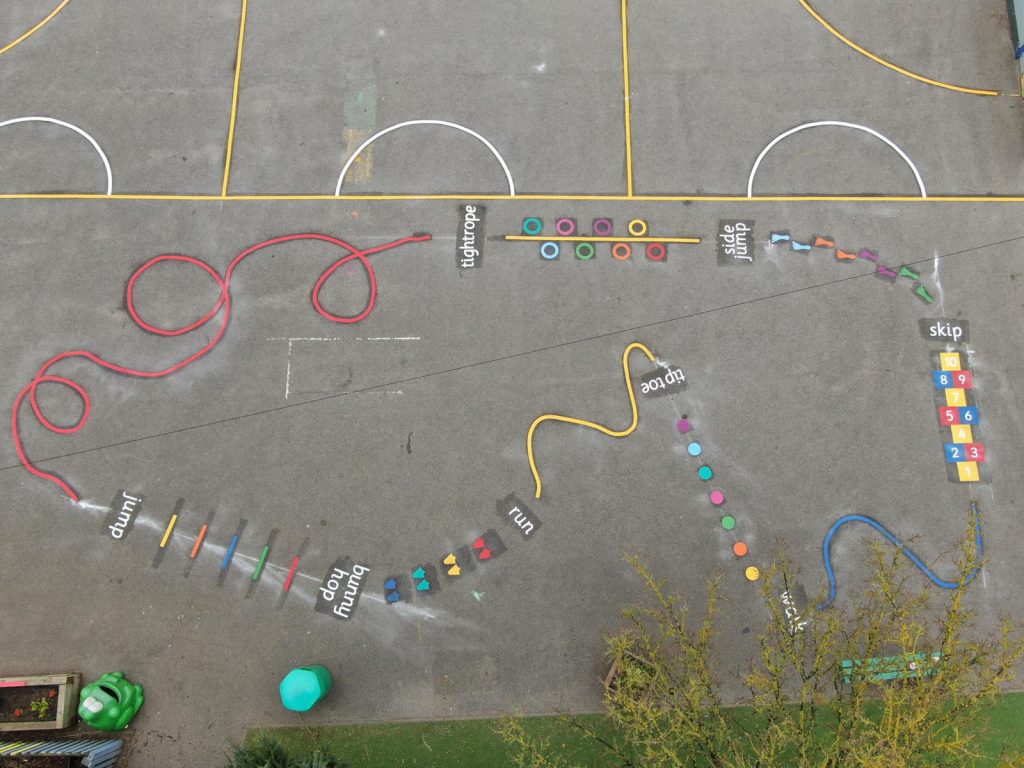
By investing time in reasoning games, parents and educators pave the way for children to develop qualities essential for future success. As children learn to analyze situations and make decisions, they are not merely playing; they are building a foundation for lifelong learning. The skills acquired through reasoning games extend far beyond childhood, influencing how children navigate their academic pursuits and social interactions in adulthood.
The impact of these games can often be transformative. As children grow older, they will encounter various challenges both in and outside of school. A solid grounding in reasoning can empower them to tackle these challenges with confidence. Research highlights that students who engage in strategic play often perform better academically, exhibiting heightened analytical skills and a proactive approach to problem solving.
In conclusion, the role of reasoning games in child development is profound and multifaceted. They not only cultivate essential skills but also ensure that children are well-equipped to succeed in an ever-changing world. For those looking to explore this further, delving into the vast array of games available today can open new avenues for learning and engagement.
ADDITIONAL INSIGHTS: Expand your understanding here
Fostering Cognitive Skills Through Play
Engaging in reasoning games offers children a canvas on which they can paint their cognitive abilities, enhancing mental agility in profound ways. These games encourage players to think analytically and strategically, skills that are invaluable in a world awash with information and competitive demands. Research has demonstrated that children who regularly participate in such activities exhibit improved performance in academic settings, underscoring the importance of integrating these games into their daily routines.
The Mechanisms Behind Growth
The impact of reasoning games on a child’s cognitive abilities can be broken down into several key mechanisms:
- Problem Solving Orientation: Children learn to face challenges head-on, analyzing problems from multiple angles before arriving at a solution. This nurturing of a problem-solving mindset enables them to embrace difficulties, viewing them as opportunities for growth.
- Logical Sequencing: Many reasoning games involve sequences that require players to think in a linear fashion. Understanding the implications of their actions and the subsequent chain reactions helps children grasp cause-and-effect relationships, which are critical in both academic and everyday contexts.
- Collaborative Skills: Games that involve more than one player foster teamwork and social skills. Children learn to communicate, negotiate, and strike a balance between competition and collaboration, preparing them for social interactions throughout their lives.
In the Nigerian context, popular games like oko and drafts carry with them a rich history of strategic thinking. For example, in a game of drafts, players must anticipate their opponent’s strategy while formulating their own, sharpening their predictive skills and fostering a competitive yet fun environment. These traditional games serve not only to entertain but also function as tools for mental development, emphasizing the significance of strategy and foresight.
The integration of reasoning games in schools and community centers is crucial, as it allows children to experience these cognitive benefits in a structured environment. By participating in regular game sessions, young minds adapt to thinking critically and flexibly, traits that will stand them in good stead as they enter adulthood. Additionally, these games often lead to the development of resilience; children must learn to cope with losses and setbacks, translating this emotional intelligence into other areas of their lives.
Encouraging Lifelong Learning
Encouraging a culture of reasoning games helps children not just academically, but personally. The skills gained from these activities weave into their overall character development, imparting essential life lessons about perseverance and adaptability. Children who engage in reasoning games regularly often bring this mindset into their future pursuits, whether in academics or their professional lives.
Ultimately, embracing reasoning games opens up a world of potential for children, allowing them to navigate life’s complexities with confidence and agility. The cognitive tools they acquire today will serve them well tomorrow, making the role of parents and educators in promoting these games all the more crucial.
| Category | Description |
|---|---|
| Cognitive Development | Reasoning games enhance strategic thinking and problem-solving skills. |
| Social Skills | Playing these games often involves teamwork and communication. |
| Emotional Resilience | Overcoming challenges within the games builds coping mechanisms. |
| Long-term Retention | Games that require recall improve memory and retention capabilities. |
Incorporating reasoning games into children’s routines not only fosters mental agility but can also spur creativity. These games enhance cognitive development by requiring kids to strategize, plan, and think critically, leading to better academic performance. Moreover, as children engage with peers in these games, they pick up essential social skills such as teamwork and conflict resolution, preparing them for real-life interactions.Furthermore, facing challenges within these games aids in developing emotional resilience, as children learn to manage their reactions to setbacks. Engaging in this form of play can also contribute to long-term retention and effective memory recall, vital for their educational journeys. As these abilities intertwine, the holistic development from reasoning games becomes evident, highlighting their significance in fostering well-rounded individuals.
ADDITIONAL INSIGHTS: Expand your understanding here
Building Analytical Thinking and Creativity
As children immerse themselves in reasoning games, they cultivate not only analytical thinking but also the ability to think creatively—skills instrumental for their future success. These games challenge children to think outside the box, stimulating their imagination as they devise strategies and consider innovative solutions. The intertwining of logical reasoning with creative thought in gameplay equips children to approach real-life situations with a multifaceted perspective.
Enhancing Memory and Concentration
Participating in reasoning games is also a powerful exercise for a child’s memory and concentration. Many games require players to remember past moves, strategies, and opponents’ actions, engaging their short-term and long-term memory. This function involves core cognitive skills that support overall brain development and educational attainment. For instance, when playing kuute, a traditional Nigerian game, players must recall numerous rules and patterns, which in turn sharpens their ability to focus and retain information.
Digital Revolution and Online Reasoning Games
In an increasingly digital world, online reasoning games have emerged as a valuable resource for developing mental agility. Platforms designed specifically for children feature interactive puzzles and challenges that cross geographical boundaries, bringing together diverse cultures of thought. The use of technology introduces an engaging aesthetic that captivates young players, while nurturing their reasoning capabilities. Notably, games like ChessKid or Prodigy Math use gamified learning to foster critical skills in children; these tools bridge both the cognitive and recreational aspects of learning.
The access to online games poses both opportunities and challenges. While providing children with a trove of reasoning games, it remains important for parents to monitor screen time and ensure a healthy balance between digital and physical play. Encouraging participation in both realms aligns perfectly with the Nigerian culture of outdoor playing and communal learning, which enriches their cognitive experience.
The Role of Parents and Educators
Parents and educators can champion the significance of reasoning games by incorporating them into daily routines and educational curricula. Schools can organize game days or after-school clubs focused on reasoning activities. Such initiatives can strengthen community bonds and foster collaboration among children. Research shows that children who engage in regular problem-solving activities are more adept at quick thinking and adaptiveness, traits crucial for their personal and academic lives.
To further leverage the benefits of reasoning games, educators can team up with game designers to create localized content relevant to Nigerian culture—integrating familiar themes and scenarios into the gaming experience. This localization can make the games even more appealing to young learners, increasing their intrigue and investment in the activity.
The transformative potential of reasoning games in developing mental agility is vast. By nurturing cognitive abilities, enhancing memory, and promoting creativity, these games serve as critical instruments for fostering a generation equipped to tackle both challenges and opportunities with confidence and skill. As families and educators continue to recognize and promote the value of such engagement, they contribute to shaping a future where children thrive in ever-evolving landscapes.
ADDITIONAL INSIGHTS: Expand your understanding here
Conclusion: Unlocking a World of Possibilities
In conclusion, the impact of reasoning games on children’s mental agility is profound and transformative. As they engage in various game formats, children sharpen their cognitive skills, enhance their memory, and develop the vital ability to think creatively and analytically. This not only prepares them for academic success but also equips them to navigate the complexities of real-life situations with adaptability and confidence.
Moreover, the rise of digital reasoning games introduces new avenues for learning that appeal to the tech-savvy generation. These platforms not only offer interactive and stimulating challenges but also effectively bridge cultural gaps, providing a global perspective through localized content that resonates with Nigerian culture. When children engage in these games, they are not merely playing; they are exercising their brains in a lively and integrative manner.
As parents and educators take an active role in fostering this enriching aspect of childhood development, they contribute considerably to shaping a future generation that possesses the cognitive tools necessary to thrive in an ever-evolving world. By creating an environment where reasoning games are easily accessible and integrated into daily life, families and schools can cultivate a culture of lifelong learning and resilience.
Ultimately, it is the dedication to nurturing children’s mental agility through reasoning games that can unlock a world of possibilities—allowing them not only to succeed in academic endeavors but also to tackle the challenges of tomorrow with innovation and resourcefulness.