The Art of Strategic Thinking in Board Games: How to Develop Planning Skills

The Power of Board Games in Strategic Development
Board games serve as an engaging platform for enhancing strategic thinking and planning skills through a stimulating blend of competition and camaraderie. These games immerse players in complex scenarios that challenge their cognitive faculties, preparing them for real-world decision-making and problem-solving. As the player navigates through each turn, they are not merely playing; they are developing a mindset favorable to strategic contemplation.
Whether you find yourself engrossed in the ages-old battle of chess or building settlements in the ever-popular Catan, each game is rife with complexities that require agility and forward planning. Here are some notable advantages of engaging with board games:
- Enhanced Critical Thinking: Players are thrown into situations where they must quickly analyze their surroundings, consider possible moves, and execute effective strategies. For instance, in chess, one must contemplate multiple moves ahead while anticipating the opponent’s reactions, forcing the mind to sharpen.
- Improved Communication: Many board games like Codenames and Secret Hitler necessitate teamwork and lively discussions, effectively honing interpersonal skills. These interactions foster a better understanding of group dynamics, a skill that is crucial in both personal and professional settings.
- Risk Management: Players learn to identify potential risks and calculate the risks versus rewards in every action. This aspect of gameplay transcends the table, offering players invaluable insight into effective decision-making in their daily lives, like weighing potential job offers or investing in business ventures.
The board gaming landscape in Nigeria is rapidly evolving, with a burgeoning community gathered around dedicated cafes and clubs. These establishments not only serve as play zones but as cultural hubs where participants can engage in both local and global games. For example, you might find traditional games like Damii or Ludu celebrated alongside international favorites, creating a rich tapestry of gaming experiences.
This intersection of culture and strategy showcases the potential for board games to strengthen cognitive skills while fostering community ties. The lessons learned from these games carve paths toward sharper reasoning and social cooperation, equipping players for life’s unpredictable challenges.
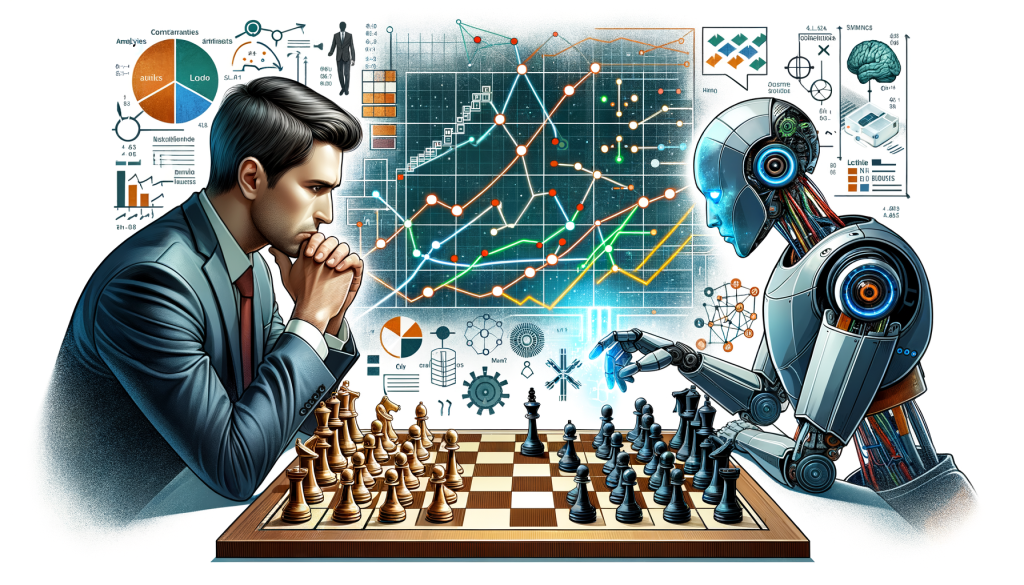
As we explore the subtleties of strategic thinking within the realm of board games, expect to uncover strategies and tips that can significantly improve your gameplay. Embrace this opportunity not just to become a more skilled player, but to evolve into a more adept thinker, ready to tackle challenges both on and off the board.
SEE ALSO: Click here to read another article
Understanding Strategic Frameworks in Gameplay
At the heart of every successful board game lies a robust framework of strategic thinking. This involves forming a strategy, executing it, and adapting based on the changing dynamics of the game. By delving into the mechanics of various games, players can uncover the underlying principles that formulate the core of strategic planning. Each game offers its unique set of challenges and rules, serving as a microcosm of real-life scenarios.
To appreciate the art of strategic thinking, aspiring players should start by analyzing the structure of the games they play. Here are some insightful approaches that can be applied:
- Learn the Rules Thoroughly: Before diving into gameplay, familiarize yourself with the rules and nuances of the game. The deeper your understanding, the better you’re equipped to form effective strategies. For instance, in Monopoly, knowing the value of properties and the benefits of building on them can greatly influence your long-term strategy.
- Observe and Adapt: Strategic thinking involves a constant process of observation. Pay attention to opponents’ moves and adapt your strategies accordingly. In games like Catan, monitoring your opponents’ resource collection can help you predict their moves, allowing you to counteract their development effectively.
- Prioritize Objectives: Each game will present multiple avenues for victory, but focusing on a singular objective often streamlines your plan. Concentrating your efforts, whether it’s acquiring certain resources or controlling key areas, heightens your chances of success.
- Engage in Reflection: Post-game analysis is crucial. Take time to reflect on your decisions and their outcomes. What strategies worked? What could have been done differently? This self-assessment can foster growth in your strategic capabilities.
The importance of these frameworks is particularly notable within the Nigerian board game community, where players engage with both traditional games and modern releases. In games like Damii, players negotiate positions with intricate planning, while in Chess, higher-order strategic thinking is pivotal for outmaneuvering opponents. Such experiences are instrumental in developing planning skills that transcend the game itself.
As players from diverse backgrounds come together around the gaming table, the exchange of ideas and strategies enhances the collective learning experience. The art of strategic thinking is not merely about winning; it is about refining mental agility — an essential skill for navigating the complexities of life outside the gaming realm. Through dedicated practice and exploration of these principles, anyone can sharpen their planning abilities and enjoy the rich tapestry of skills that board games cultivate.
| Category | Key Features |
|---|---|
| Cognitive Skills | Board games enhance logical reasoning and problem-solving capabilities. |
| Decision Making | Players learn to assess risks and rewards, refining their ability to make strategic decisions. |
| Social Interaction | Playing with others fosters collaboration and competitive spirit while improving communication skills. |
| Creative Thinking | Engaging with diverse scenarios encourages innovative strategies and out-of-the-box thinking. |
| Long-Term Planning | Games require foresight and planning for future moves, sharpening strategic foresight. |
Board games present a rich opportunity to cultivate strategic thinking, critical for both personal and professional development. The intricate dynamics involved in gameplay provide a practical platform for individuals to enhance their cognitive skills. Engaging in these games not only hones one’s ability to strategize but also strengthens other essential aspects of planning. For example, through social interaction, players develop communication skills and learn the art of negotiation, vital traits in any strategic endeavor. Moreover, many board games emphasize the importance of long-term planning, allowing players to reconcile immediate actions with overarching goals. As they navigate the myriad of decisions, players refine their capacity to evaluate the risks and rewards associated with each choice. This not only makes board games enjoyable but also positions them as valuable tools for anyone looking to improve their planning skills in various life scenarios.
ADDITIONAL INSIGHTS: Expand your understanding here
Implementing Tactical Approaches in Board Games
Once players have grasped the frameworks of strategic thinking, the next step is to implement tactical approaches that augment their gameplay. Tactical thinking is the process of making specific decisions based on the current state of the game and situational awareness. While strategy provides an overarching vision, tactics focus on the immediate actions that can lead to achieving that vision. Below are several methods to enhance tactical decision-making in board games:
- Calculate Risks and Rewards: Understanding the balance of risk and reward is essential for strategic success. Decisions should be evaluated based on potential gains versus possible setbacks. For example, in a game of Risk, occupying a territory might yield short-term gains but could leave your forces vulnerable to counterattacks. Weighing these outcomes can refine your tactical choices.
- Utilize Diversion and Misdirection: In competitive board games, creating distractions can serve your overall strategy. This is particularly effective in games like Bluff, where misleading opponents can shift their focus away from your true intentions. Clever misdirection often opens doors for greater strategic moves.
- Employ Team Dynamics: In multiplayer games, fostering cooperation can enhance your chances of victory. Understanding the dynamics of teamwork in games like Codenames requires balancing personal goals with group objectives. Building alliances can lead to strategic advantages if approached thoughtfully.
- Practice Anticipation: By predicting opponents’ moves, players can position themselves advantageously. This foresight, common in games like Chess, empowers you to respond preemptively to strategies that others might adopt. Practicing this skill enhances your overall game acumen.
The applicability of tactical thinking stretches far beyond the gaming table. In Nigeria’s vibrant cultural landscape, where community board game nights are commonplace, players can exchange tactics and strategies. Traditional games such as Oware require players to think several moves ahead, enhancing not just enjoyment but also mental dexterity. Through engrossing discussions around such games, players often unveil gems of wisdom and creativity that can apply to real-world problem-solving.
Furthermore, board games often embody lessons from various fields, such as economics, negotiation, or resource management, reinforcing the importance of adaptable tactics. For instance, playing a resource management game like 7 Wonders necessitates an understanding of not only your purchasing options but also how your choices impact others. This interconnected approach demands a blend of tactical anticipation and strategic planning.
Moreover, engaging in diverse genres of board games can often sharpen specific skills, such as critical thinking and analytical reasoning. By exploring genres from cooperative games to political simulators, players can develop a more robust toolkit for assessing situations, ultimately enhancing their planning skills.
The multifaceted nature of board games provides a fertile training ground for tactical expertise, allowing players to grow proficient in strategy formulation and real-time decision-making. Through practice, players can transition these skills from the gaming board to practical applications in their everyday lives, demonstrating that the lessons learned in jest can indeed hold profound significance.
ADDITIONAL INSIGHTS: Expand your understanding here
Conclusion: Harnessing Strategic Thinking Through Board Games
In exploring the art of strategic thinking in board games, we uncover a profound relationship between enjoyable gameplay and the development of essential planning skills. By embracing both strategic frameworks and tactical decisions, players not only enhance their gaming experience but also cultivate competencies that extend beyond the tabletop. The lessons in risk assessment, tactical misdirection, and effective teamwork teach valuable principles applicable to real-life scenarios, from negotiating business deals to solving complex problems.
Engaging with diverse genres of board games, particularly those rich in cultural narratives like Oware or Monopoly, fosters critical thinking, adaptability, and emotional intelligence, crucial skills in an ever-evolving society. As communities across Nigeria gather for strategic board game nights, they collectively sharpen their minds while building connections through shared experiences. This interactive platform not only enhances individual capabilities but also promotes cultural exchange and collaborative learning.
In conclusion, the journey of mastering strategic and tactical thinking within board games is a potent vehicle for personal growth. Players are encouraged to continue seeking new challenges, experimenting with different strategies, and engaging in discussions that help refine their skills. In doing so, they will realize that the lessons learned in these games are not only for winning but also for molding better planners and thinkers in every aspect of life. As a result, the art of strategic thinking becomes an invaluable asset, opening doors to new opportunities and fostering a mindset geared for success.