Unveiling the Benefits of Puzzles for Memory Improvement in the Elderly
Unpacking the Cognitive Benefits of Puzzles
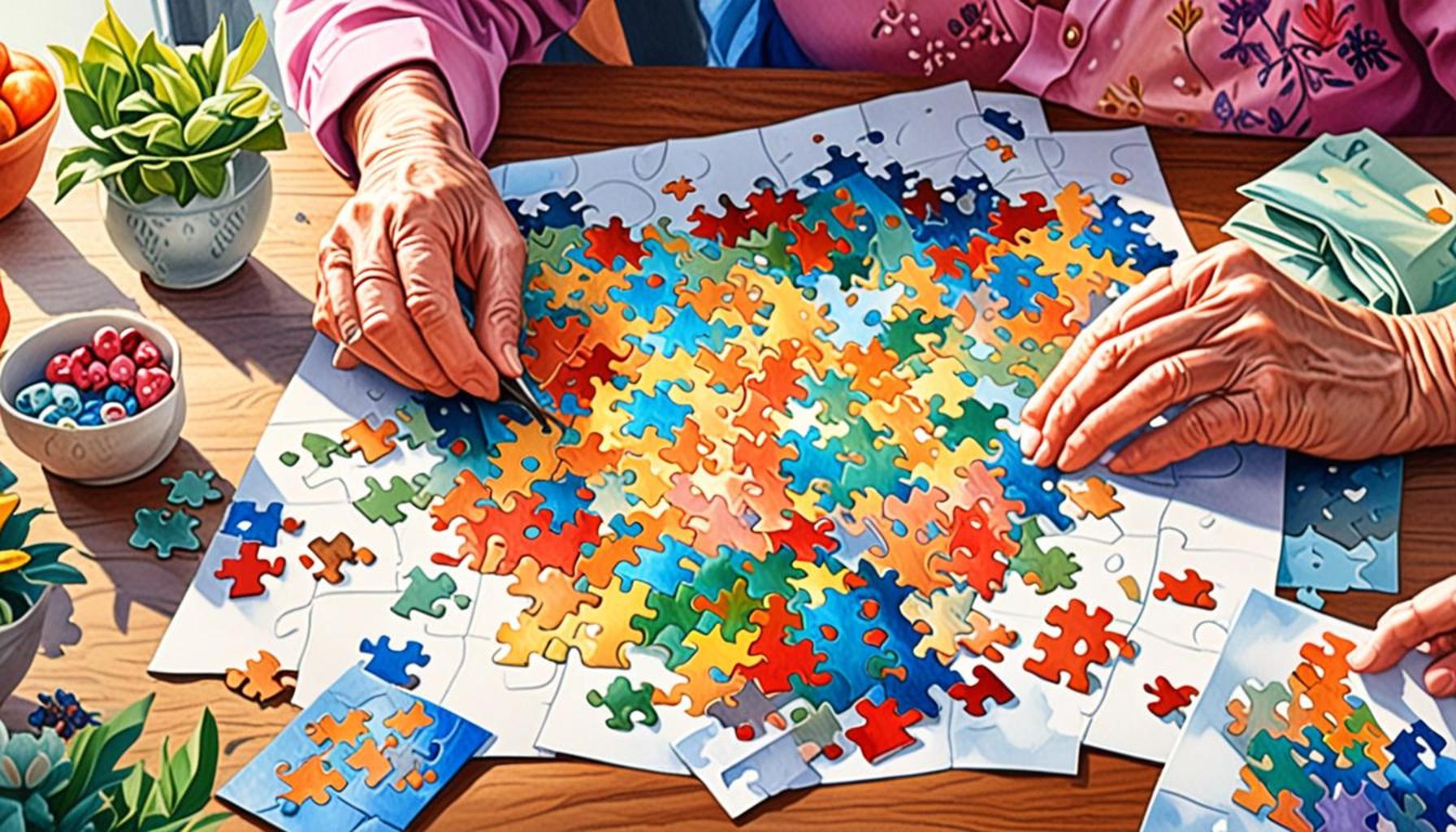
Puzzles are not just enjoyable pastimes; they serve as vital tools in boosting cognitive health, especially among older adults. The act of piecing together a jigsaw puzzle, solving a crossword, or even challenging oneself with a Sudoku engages various cognitive processes, offering significant rewards. Particularly in Nigeria, where traditional games often bring families and communities together, incorporating puzzles can foster both enjoyment and mental engagement.
Research underscores the importance of maintaining mental agility as we age. Studies indicate that engaging with puzzles can lead to tangible improvements in memory. For example, when individuals work on puzzles, they activate parts of the brain responsible for memory retention and recall. This activity is not merely about completing a task; it’s a workout for the brain that helps preserve mental faculties, thus delaying the onset of cognitive decline associated with aging.
Benefits of Puzzles
Consider the following advantages of integrating puzzles into your daily routine:
- Memory Enhancement: Completing puzzles requires focus and memory skills. The brain forms new connections through pattern recognition, which is crucial for enhancing memory.
- Cognitive Engagement: Puzzles challenge the brain to think critically. They require strategy, foresight, and planning, enhancing problem-solving abilities that are essential throughout daily life.
- Social Interaction: Working on puzzles can be a family affair. Engaging relatives in puzzle-solving not only sharpens minds but also fosters bonds—particularly in settings like family gatherings, where collective participation in games is common.
- Stress Reduction: Focusing attentively on a puzzle offers a welcome distraction from life’s pressures. This mindfulness can lead to lower stress levels and contribute to overall mental well-being.
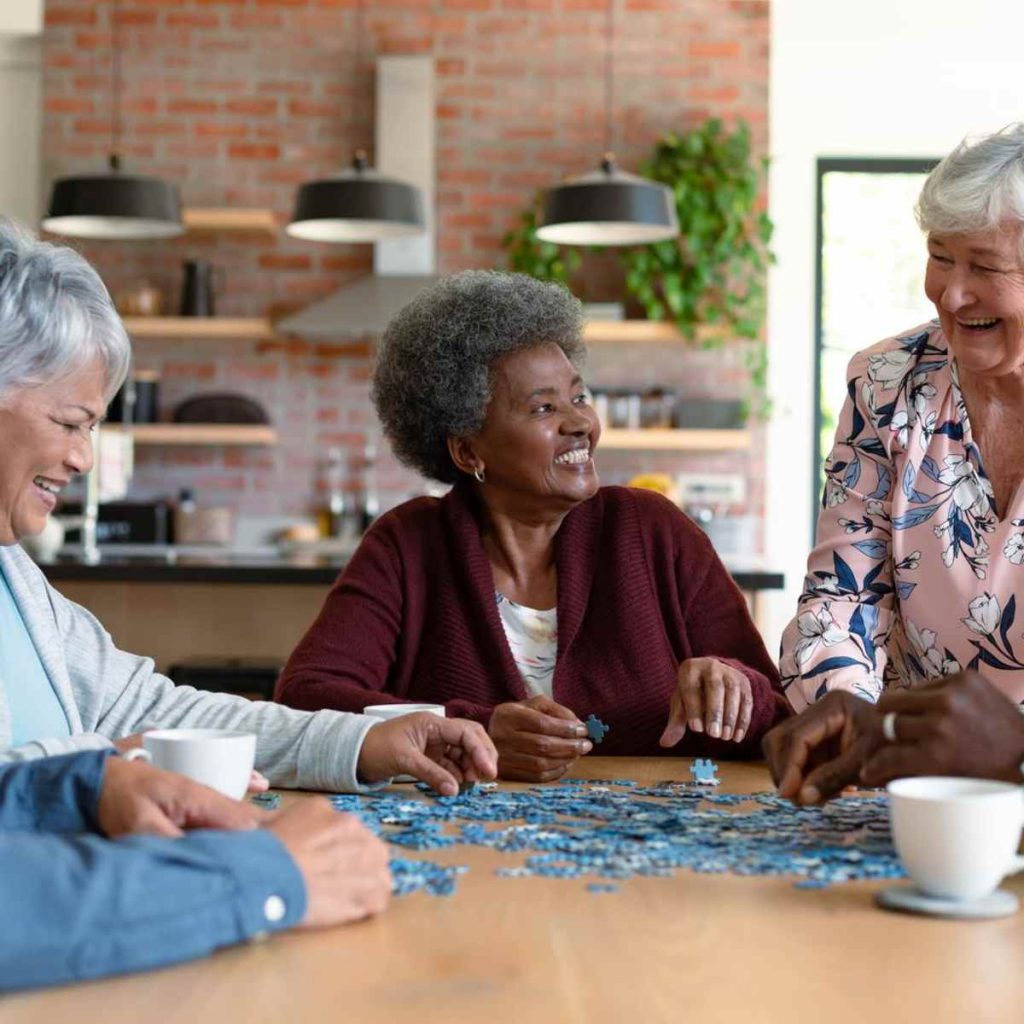
In Nigeria, social connections are paramount, and puzzles can serve as a medium to bridge generational gaps. Local communities are recognizing the value of puzzles as mental exercise for the elderly, promoting initiatives in towns and cities that encourage group puzzle activities. For instance, local organizations might host weekly puzzle nights, encouraging seniors to come together—not just to stimulate their minds but also to share experiences and reminisce.
As we continue to explore the nexus between puzzles and cognitive improvement, it is notable how these simple games can revolutionize the way we think about brain health in the elderly. The potential these tools have to enhance cognitive longevity makes them worth incorporating into daily life. By promoting discussions around puzzles and their benefits, we can initiate a broader movement toward cognitive awareness among older generations in Nigeria. Prepare to dive deeper into how these engaging activities can lead to significant advancements in cognitive health.
LEARN MORE: This related article may interest you
Puzzles: A Gateway to Enhanced Cognitive Function
The cognitive engagement afforded by puzzles extends beyond mere amusement; it is a formidable ally in the quest for memory enhancement, particularly in the elderly population. One vital aspect that emerges from this exploration is the role of puzzles in stimulating neural pathways associated with memory. Engaging in activities like jigsaw puzzles, crosswords, or number games not only taps into existing cognitive resources but also promotes the formation of new synaptic connections. As older adults practice these skills, they significantly bolster their memory retention and recall functions, ultimately contributing to a more vibrant and agile mind.
The Science Behind Memory Improvement
Numerous studies highlight that regular puzzle engagement can lead to observable benefits in memory function. For instance, a research study conducted by neuroscientists revealed that individuals who frequently participated in cognitive games exhibited sharper memory and greater problem-solving skills compared to their peers who did not engage in such activities. This observation indicates a direct correlation between mental exercises and the preservation of cognitive faculties. Moreover, as older adults navigate through puzzles, they utilize critical thinking, practice pattern recognition, and enhance their overall cognitive flexibility.
- Improved Concentration: Working on puzzles cultivates an environment demanding focus. This level of concentration can translate into enhanced attention spans in daily activities for the elderly.
- Memory Recall Techniques: When piecing together a jigsaw puzzle, individuals often rely on memory to recall where certain shapes or colors fit, reinforcing memory loops and strengthening retention capabilities.
- Long-Term Memory Support: Engaging with puzzles can improve long-term memory by reinforcing neural pathways. This is particularly beneficial for older adults as it helps counteract age-related memory decline.
- Cognitive Resilience: Puzzles provide a challenge that requires resilience. This quality can foster a positive mindset towards cognitive challenges, encouraging daily mental workouts.
In Nigeria, traditional games have long been woven into the cultural fabric, offering families opportunities to come together and bond. By introducing puzzles, we can enhance these intergenerational connections. For instance, families can capitalize on local events or community gatherings to engage in puzzle-solving as a shared experience that promotes attention and teamwork. This addition to communal activities not only aids cognitive function but also revives cherished memories through conversation and collaboration.
As we delve further into the impact of puzzles on memory improvement for the elderly, recognizing these brain-boosting benefits becomes essential. By embracing and promoting puzzle activities, we can pave the way for healthier cognitive aging, illuminating the path towards a more engaged and fulfilled life in the golden years. לאt is crucial to foster environments where these fascinating mental exercises are accessible to all, establishing a culture that prioritizes cognitive health and well-being in our elderly population.
Enhancing Cognitive Function Through Puzzles
Puzzles are more than just a source of entertainment; they emerge as powerful tools for fostering cognitive health, especially in the elderly. Engaging with various types of puzzles, including crosswords, jigsaw puzzles, and sudoku, stimulates mental faculties, enhancing memory retention and problem-solving skills. This engagement is particularly vital for older adults, who may face challenges related to cognitive decline.
The Science Behind Puzzles and Memory
Research indicates that the brain, similar to other muscles in the body, requires regular exercise to maintain and improve its functions. Puzzles demand concentration and critical thinking, both of which can lead to neural growth by reinforcing connections between brain cells. For seniors, this activity can be instrumental in delaying symptoms of conditions such as Alzheimer’s disease and dementia.
Social Interaction and Coordination
In addition to cognitive benefits, puzzles can serve as a social activity that brings families and friends together. Working on a puzzle collectively fosters social bonds and can also enhance teamwork skills. This interaction not only combats feelings of loneliness—a common issue among the elderly—but also encourages the sharing of ideas and approaches to problem-solving, which is invaluable for mental agility.
| Benefits | Key Features |
|---|---|
| Cognitive Stimulation | Puzzles require strategic thinking and focus, sharpening mental agility. |
| Improved Memory Retention | Engaging regularly with puzzles can strengthen memory pathways. |
| Social Engagement | Puzzles provide opportunities for social interaction, reducing isolation. |
By incorporating puzzles into daily routines, seniors can enjoy a plethora of cognitive benefits while connecting with loved ones. The act of puzzling thus stands as a significant proactive approach to maintaining mental well-being in later life. Discovering the myriad of puzzle types and their potential benefits can encourage both exploration and enjoyment, long into the golden years of life.
RECOMMENDED: Check out this similar article
Cognitive Socialization through Puzzles
In addition to enhancing individual cognitive functions, puzzles can serve as a vital tool for fostering social connections among the elderly. The act of solving puzzles together in communal settings, whether in family gatherings or care homes, instills a sense of camaraderie and collective achievement. These interactive experiences not only amplify the cognitive benefits of puzzles but also bring about profound emotional rewards through shared joy and engagement.
The Role of Social Interaction
Research indicates that social interaction is a key element in cognitive health as we age. When elderly individuals engage in puzzle-solving as a group, they benefit from the combined cognitive resources of the participants. Discussing strategies, sharing hints, or simply providing moral support during challenging tasks can boost self-esteem and encourage continued participation in mentally stimulating activities. A study published in the Journal of Aging Studies highlights that older adults who engage in social puzzles experience a significantly lower rate of cognitive decline compared to those who solve puzzles alone.
- Enhanced Communication Skills: Working together to solve puzzles often requires participants to communicate effectively, whether through verbal discussions or by pointing out visuals. This can help elderly individuals maintain and even improve their linguistic skills.
- Intergenerational Engagement: Puzzles provide an excellent opportunity to bond with younger family members. For instance, a grandparent and grandchild can collaboratively tackle a complex crossword puzzle, offering moments to reminisce about shared experiences and family history.
- Building Confidence: Successfully completing a puzzle fosters a sense of accomplishment. This experience can significantly boost the self-confidence of elderly individuals, reinforcing their ability to tackle daily tasks and challenges.
- Reduction of Loneliness: Participating in group puzzle-solving activities can help combat feelings of isolation, a common issue faced by the elderly. The companionship cultivated through shared interests can help improve overall mental well-being.
Puzzles also have a unique cultural significance in Nigeria, where traditional games and collaborative problem-solving exercises have a long-standing history. By incorporating familiar elements from local culture, such as traditional board games or puzzles inspired by local stories and folklore, we can make the experience more relatable and engaging for older adults. Community centers can organize special puzzle-solving events that encourage participation from both the elderly and the youth, creating an enriching environment where cognitive and social benefits abound.
In examining the multifaceted benefits of puzzles for memory improvement, we must appreciate not only their individual cognitive advantages but also their power to enhance social bonds. As more communities across Nigeria and beyond recognize the importance of such activities, the potential for improved cognitive aging surfaces as a shared responsibility—a commitment to nurturing the minds and spirits of our elderly loved ones. By paving the way for more interactive puzzle experiences, we can help ensure that cognitive health, enriched by social connectivity, flourishes in the golden years of life.
SEE ALSO: Click here to read another article
Final Thoughts on the Cognitive and Social Benefits of Puzzles
In conclusion, the investigation into puzzles as tools for memory improvement in the elderly unveils a multidimensional approach to enhancing cognitive health. The evidence speaks volumes; engaging in puzzles not only stimulates brain function but also contributes to emotional well-being through social interaction. Increased communication skills, intergenerational bonding, and the cultivation of confidence in problem-solving abilities are pivotal benefits that emerge from this age-old pastime.
Furthermore, the role of community engagement cannot be overstated. The unique cultural context of Nigeria, rich in traditional games and storytelling, provides an ideal backdrop for integrating puzzles into social activities. By creating environments where both the elderly and younger generations can come together, we foster not only cognitive resilience but also a sense of belonging, which is crucial in combating loneliness among older adults.
As society continues to embrace innovative ways to support our senior citizens, it is essential to recognize the importance of building communal puzzle-solving initiatives. By prioritizing these activities, we contribute to a healthier, more connected society where cognitive vitality thrives well into old age. Thus, unveiling the benefits of puzzles is not just about enhancing memory; it is about enriching the lives of our elderly loved ones, making their golden years a time of joy, connection, and mental agility.